NBA 2K26 Brings You Closer Than Ever to the Game
Boot up NBA 2K26 for the first time, play just a couple of possessions and one thought comes to mind: this doesn’t just look like real-life basketball—it feels like it. The squeak of sneakers snapping across the hardwood. The exact cadence of a PA announcer you’ve heard hundreds of times inside your favorite team’s arena. The dynamism of the crowd. Every inch of the game was approached with a microscopic attention to detail, and that commitment, on 2K’s behalf, reverberates through and through.
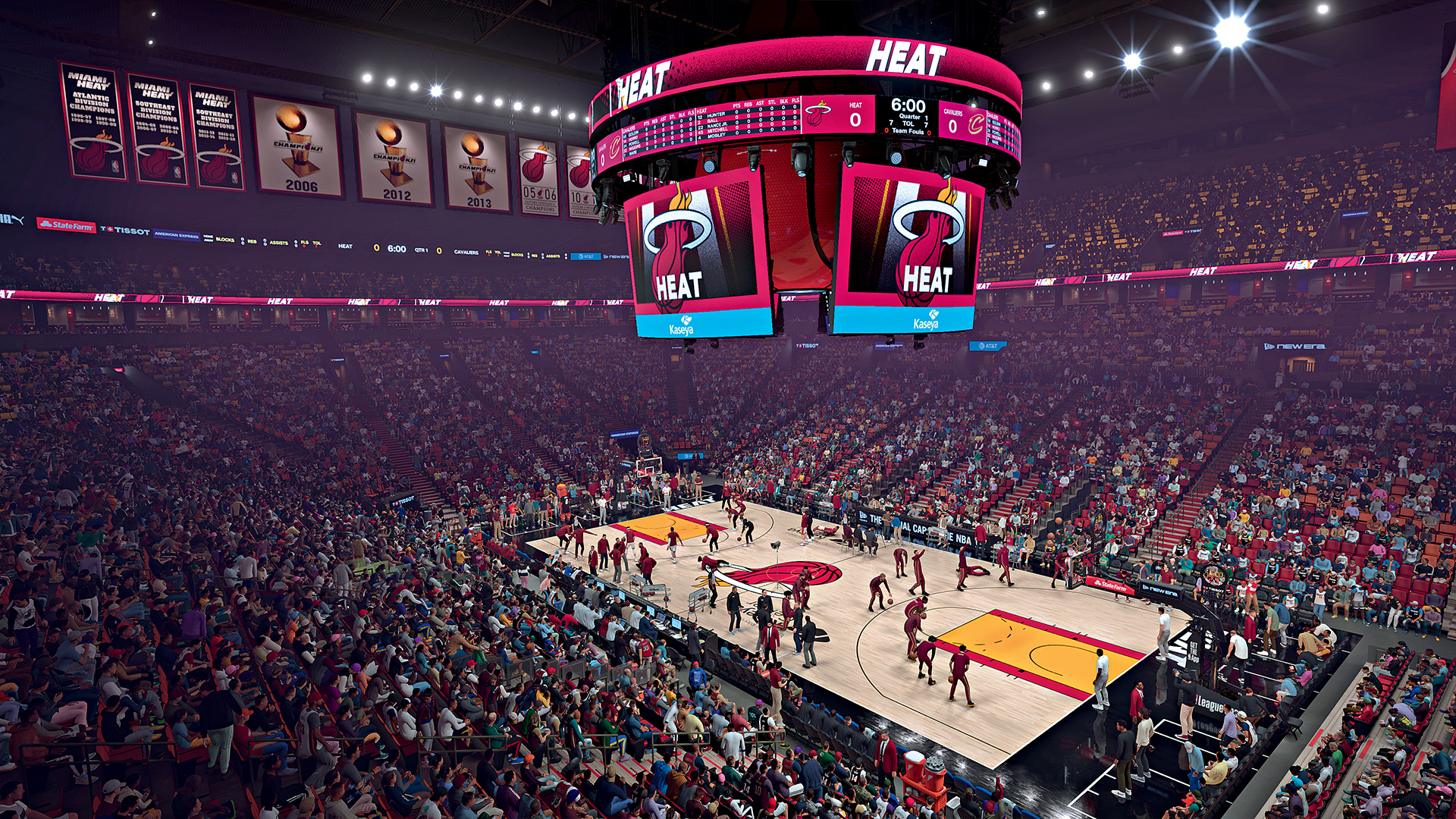
For years, 2K has owned its presentation the same way, say, Stephen Curry owns the arc. And just like Curry keeps finding ways to build upon his legacy as the best shooter God’s ever created year after year, 2K has continued to build upon its own legacy as the gold standard of presentation when it comes to sports video games. While other sports titles chase mere spectacle, 2K seems to obsess over the little moments that take gameplay into a livable experience: multiple broadcast crews, evolving halftime shows, arenas that glow with their own identity down to the last banner, scoreboard font and more.
Presentation is at the heart of it all, and Erick Boenisch, VP of NBA Development at Visual Concepts, has been at the center of that vision for the better part of two decades. He knows better than anyone why the smallest detail can tilt a game from simulation into something more visceral.
“We try to emulate the real sport as closely as we can, to honor the NBA, its incredible athletes and its incredible teams,” he says. “And we want to represent them in the fairest and best, most accurate light possible.”
When the details are right, you don’t think about them; you just feel them. When they’re wrong, the illusion shatters. Visual Concepts has built its reputation on never letting that illusion slip.
“If one thing is wrong, everything is wrong,” Boenisch says. “If you put a Lakers uniform on your player, but the numbers are too small, then it’s just a fake Lakers uniform—and people know that. If you have the wrong color wood grain on the Pacers court, people are gonna be like, Nope, wrong.”
That precision goes all the way down to the sensory brushstrokes. Sneakers screech differently on fast breaks than they do in halfcourt sets. The net flicks slightly off-center on a made corner three. Every pixel and decibel is engineered to pull you closer. “Every detail matters to someone,” Boenisch continues. “If we hit them all, which is really hard to do, then we win. What we want to do for the fans is deliver them—no matter who their favorite team is—the best and most authentic experience possible.”
Critiques will always come with the territory—you don’t stay on top this long without a target on your back. But there’s one thing nobody can argue: 2K26 isn’t a copy-paste job. It’s a living archive of how basketball feels right now, in this exact moment.
Somewhere, a kid is playing 2K for the first time, falling in love with the real game as they explore the digital world that 2K and Visual Concepts have created. For a generation, this is their introduction to the essence of basketball altogether. That’s a responsibility, and one 2K has embraced fully. For Boenisch, it’s the biggest thing he wants the next generation to take away.
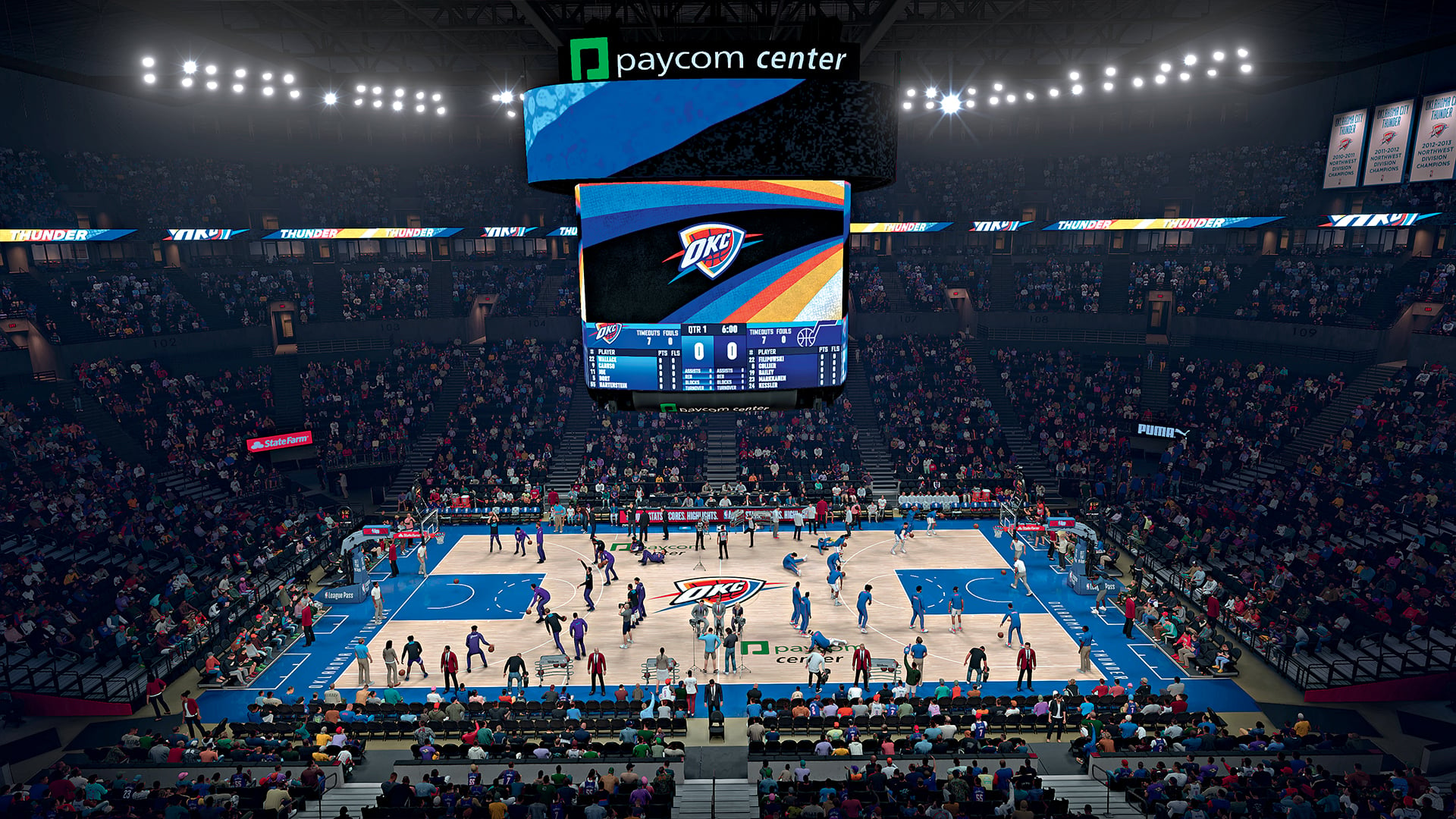
“I want them to leave thinking, Dang, I had a really great time playing today. That’s the starting point,” he says. “But I want them to appreciate the game of basketball. I want them to appreciate more about the NBA players and learning about the unique tendencies of every single player that we model in the game.”
That’s the difference; 2K isn’t just about watching basketball. It’s about living it.
_____
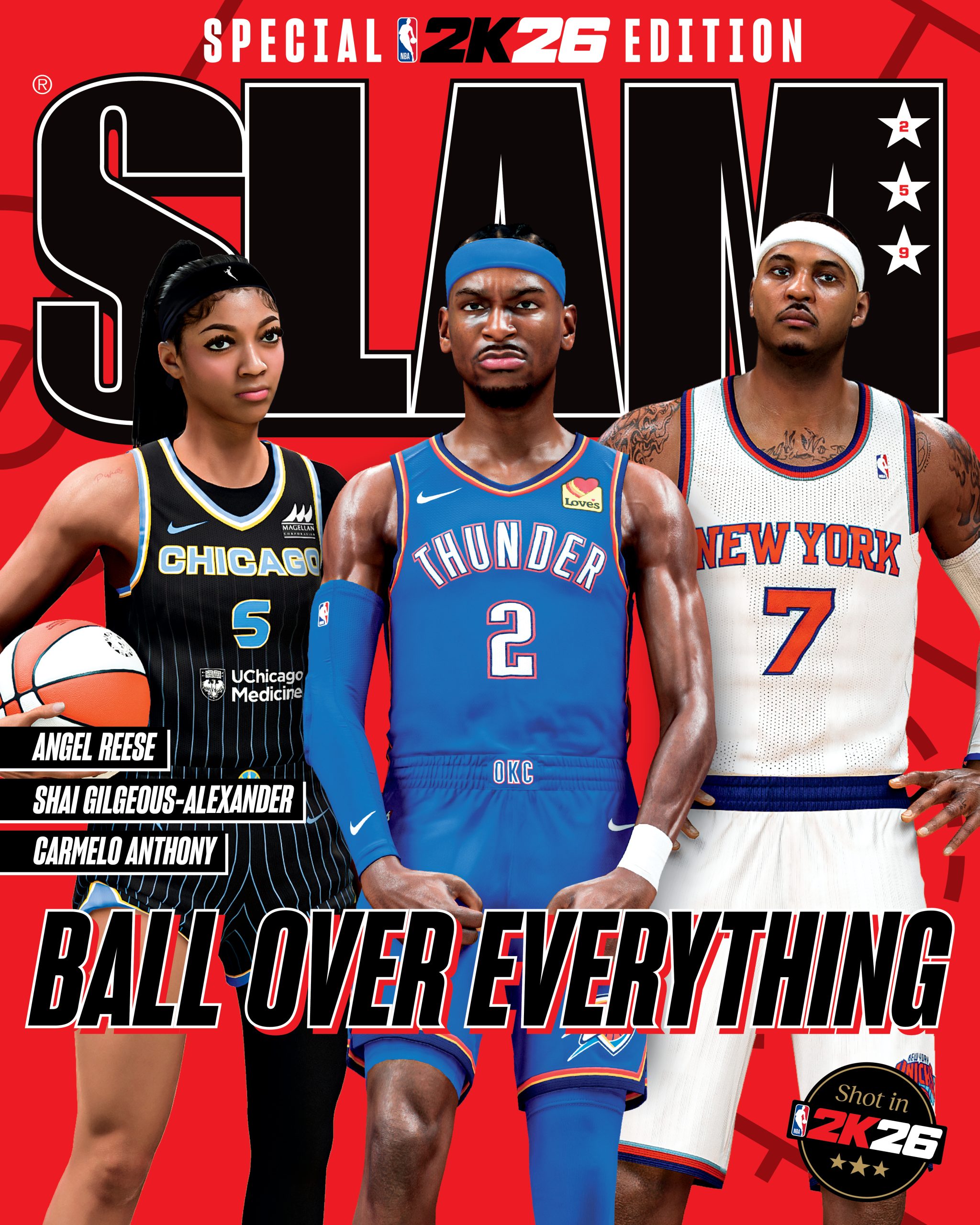
The NBA 2K26 x SLAM 259 cover is available now