Eyes of the Lynx: Lindsay Whalen is Minnesota Basketball
The lynx is an animal with superior eyesight. As the apex of its ecosystem, its visual acuity is devastating. As the north’s silent sleuth, its brilliance is inspiring. Its mysterious powers have fueled artwork and poetry for generations.
Minnesota’s WNBA team was aptly named, wasn’t it? In the last 15 full seasons, excluding the 2026 campaign that’s still going on, the team has made the playoffs 14 times, the Finals seven times and they’ve won four championships. Most of the team’s success was driven by devastating basketball brilliance. A group moving as one in those days of wild, walking in glory into the everlasting now.
The franchise has been so good that the Lynx’s place in history will never be questioned because they are one of only three WNBA franchises with four banners hanging up.
The eyes of the Lynx belong to a Minnesota native whose similarities to the animal are spookily accurate. Lindsay Whalen saw all on the court. She was the walking representation of visual acuity. It goes without saying that she’s the Lynx’s all-time leader in career assists. The distance between her and every other Hall of Famer that has laced up for Minnesota, though, is nearly over 500 assists. But most people would never know it. Whay, as she’s affectionately referred to, spent so long lurking in the shadows, like the lynx itself, that she doesn’t get her due.
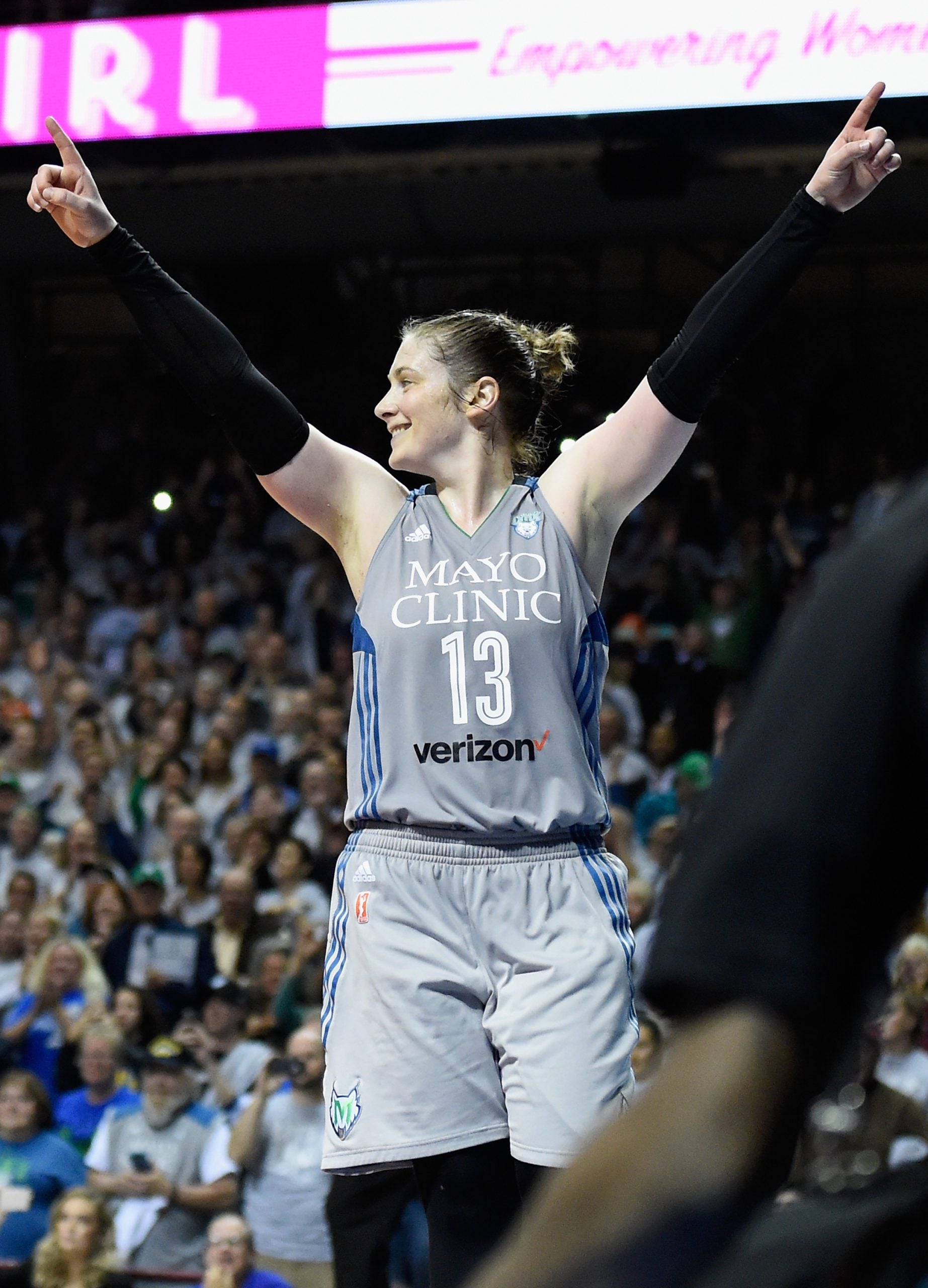
Time to change that. Whay was an apex point guard. For nine years with the Lynx, she buried opponents up north, barely ever making a sound. She just did what the lynx does—dominate. With five All-Star selections, four WNBA championships, two Olympic gold medals and two World Championship trophies to her name, it’s time for the eyes to make some noise. She’s one of the best high school players the state has ever known, she played for the University of Minnesota, played for the Lynx, was the Gophers’ head coach and now serves as an assistant coach for the Lynx. Minnesota through and through.
We’re crowning Whay a WSLAM ICON, as she so rightfully deserves. She led the squad as a player with an unflinching spirit. She leads the squad in so many historical categories. Now she helps to lead the squad from the bench.
The eyes of Lynx speaks here about life as a native Minnesotan, winning championships and fighting through the pain to get to the glory. This Q+A has been slightly edited for clarity.

SLAM: You’re from Hutchinson, MN, a town of roughly 15,000 people that’s over an hour away from Minneapolis. What would you say the differences are between people in Hutchinson and people in Minneapolis?
Lindsay Whalen: I think that growing up, we kind of felt we were the small school and a lot of teams in our conference were suburbs of the Twin Cities. So they were bigger, they had better facilities. We obviously felt like they got more attention in the newspaper and on TV and so we always had a little bit of, I would say, a chip on our shoulder that we can compete with the big schools. Like, we’re just as good, we can go there and win. They come out to our place and they’re making fun of us because there’s tractors and farm equipment. Hutchinson has a big, big farming community. Very much a blue-collar community. Most of the population either works at 3M and or HTI. A lot of people worked a lot of shift work. My parents, they worked shift work. They worked 6 at night to 6 in the morning and then it would rotate and they’d work 6 a.m. to 6 p.m. Very hardworking.
Minneapolis, obviously, it’s just different. You’re in a metro area, suburban area. But I think in general Minnesotans are very hardworking. People are very down to earth. People are very caring about their neighbors. It’s just when you’re in a smaller community, it’s kind of like that’s all you have. In Minneapolis, there’s more to do. There’s the theaters, there’s however many professional sports teams we have now, there’s the college, there’s several small colleges. There’s just a lot to do. There’s the Mall of America, there’s Ridgedale, there’s so much to do. In a small town there’s less to do and so maybe it’s go to a movie theater, go support your high school team or go support your classmates.
SLAM: When did your reputation and the reputation for the Tigers start to increase after you were beating those bigger schools?
LW: Probably sophomore year. We won, like, 22 in a row that year. We lost our first game and lost our last game, or maybe it was our second game we lost, but we went on, like, a 22, 23-game winning streak and, and were beating teams from the Twin Cities, were beating bigger schools—New Prague, Northfield. We had a really good team. And so I think that year we were ranked second or third in state the whole year. Our section was, outside of Minneapolis North, who was the best team, then it was us or Mankato East, then Mankato West, and then Worthington, so our section semifinals was Final Four of the state. It’s just really good girls’ basketball out there.
[And then] I think a little more when I got into AAU and you started to play on the same team as people from the Twin Cities and you played against AAU programs that were predominantly people from the metro area. I think then you heard a little more, and then I think playing with those teams, beating those teams in AAU, even my perception was a little bit expanded. I guess you could say my notoriety within the state, as far as basketball, took on a little more of a prominence. Because now you’re playing with some of these great players from the Twin Cities and now you’re playing against them every single weekend. We had some great rivalries, great rivalries. A lot of fun.
SLAM: Did that notoriety make its way to the people that you grew up with? Or was it still just, hey, that’s Lindsay, we know her parents type of stuff?
LW: A little bit, I think. That was more people who I played with, because I played pickup with the guys and I was one of the better players playing with the guys. That was some of the most fun times, was playing pickup at the high school, or at the rec center. Just picking teams and playing and winner stays. The guys on the high school team, they kind of were like, oh damn, she’s good, like, she’s good, good. And then you start to get recruited and then when you sign to go to the U of M, letter of intent, you kind of then become known for that within your class. So I think more of that within the town was going and playing pickup games at the rec with the guys who are taking lunch break on Tuesdays and Fridays at noon. We’re going and playing from 11 to 1 or 11 to 2 and just playing pickup game after pickup game. You know, you win three or four in a row, people start to take notice, I guess, in either a good or a bad way.
SLAM: You know the saying of if these walls could talk, right? Do you think that the rec, even more so than the high school gym, would have more to say about a young Whay?
LW: Maybe. Because every Tuesday, every Friday and every Sunday, there were times that the older men and the high school guys would come play. Tuesday was 11 to 1, Friday was 11 to 1, Sunday was, like, 5 to 8 at night. I would eat my dinner as quick as I could. I’d ask my mom if I could go and then I was at the rec and it cost, like, $1.25 to get in. I’d either ask my dad or my mom for money, or I’d go find money in our house somewhere and find the dollar or this loose change to be able to go get in the rec. Some of those Sundays, in the winter, as the season’s approaching and NFL football’s on and you got school the next day, but you’re at the rec until they probably would kick us out or people got too tired. Those were fun. And it was a horrible floor, tartan floor, but we loved it.
SLAM: How are those dates and times still in your mind? Is that still when they play or were you there so often that info got embedded in your brain?
LW: I think they do still play. I don’t know. I used to go back in college and play. And I even think a couple of times when I was in WNBA, like, Connecticut days early, before I started going overseas. But then you started to get worried about getting hurt. So my pickup days at that point were more few and far between. But I’m sure they still have times that they play. I don’t know if it’s those same days, but that’s when it was for us. During the school year, obviously, we couldn’t go Tuesdays and Fridays, but in the summer or spring break, that’s where we were playing as many days as we could, as many days they would let us, we’d be in there playing.
SLAM: And then when you eventually did go to college at University of Minnesota, I’m curious to know, what was the loudest game that you ever heard The Barn have?
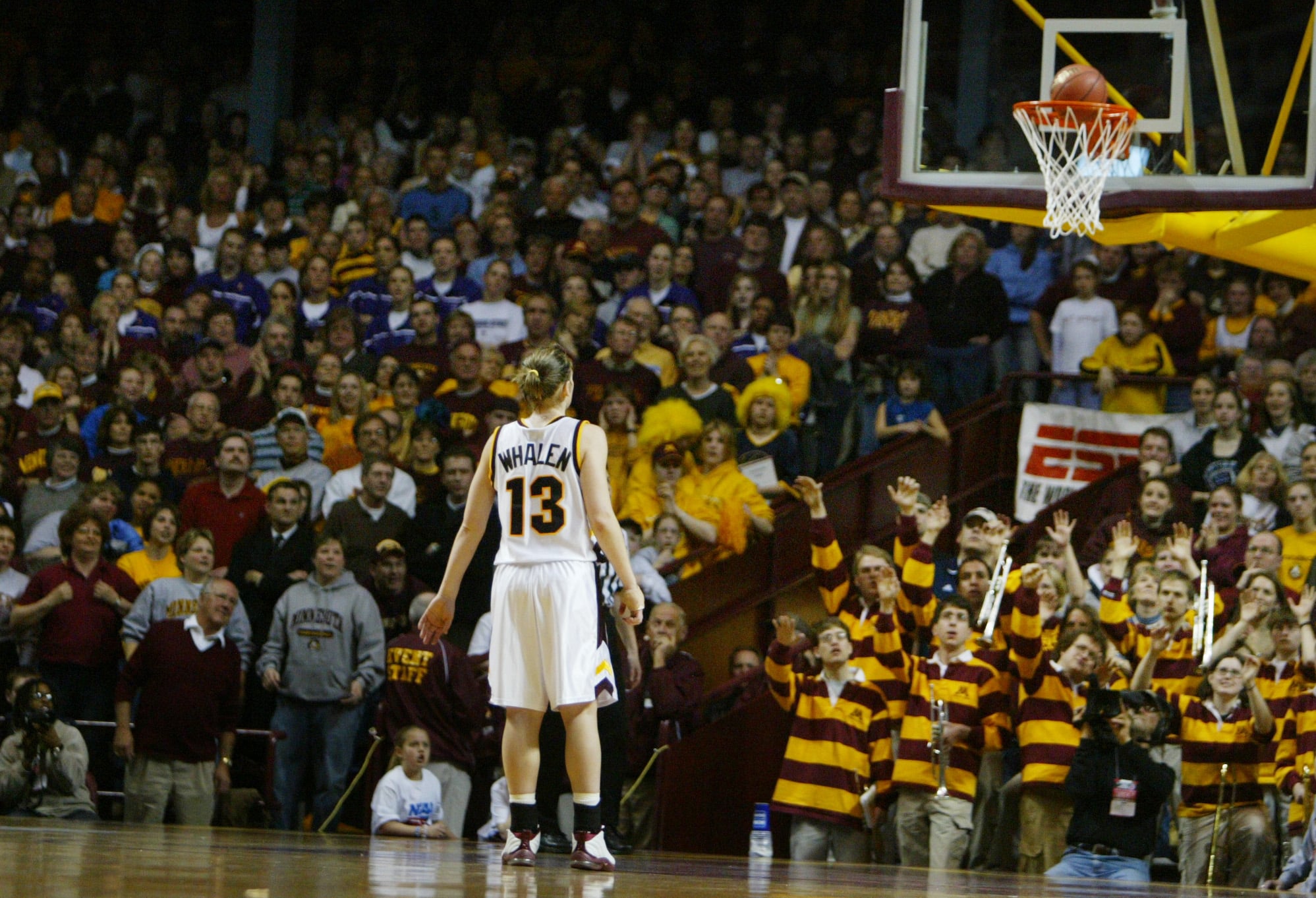
LW: In college, it would have been, I’m sure, the Penn State game my senior year. It was as close to a true sellout as you can get. They were ranked very high. They had Kelly Mazzante, Tanisha Wright, Jess Brungo. Both teams were ranked in the top 20. That was a loud one. Iowa. I remember an Iowa game my senior year, too, it was packed. You know, the Minnesota, Iowa rivalry, like, we smacked them. We smacked them.
And then I have a recent one in 2017, playing for the Lynx. That was crazy loud because that was for the championship. Game 5. That was, like, insane. There’s a couple points during that Finals series that I was like, this is crazy loud, like, to where all you can think about is trying to focus on what the coach was telling you to do, because it’s just madness in there.
SLAM: Do you remember the first time you played at Target Center?
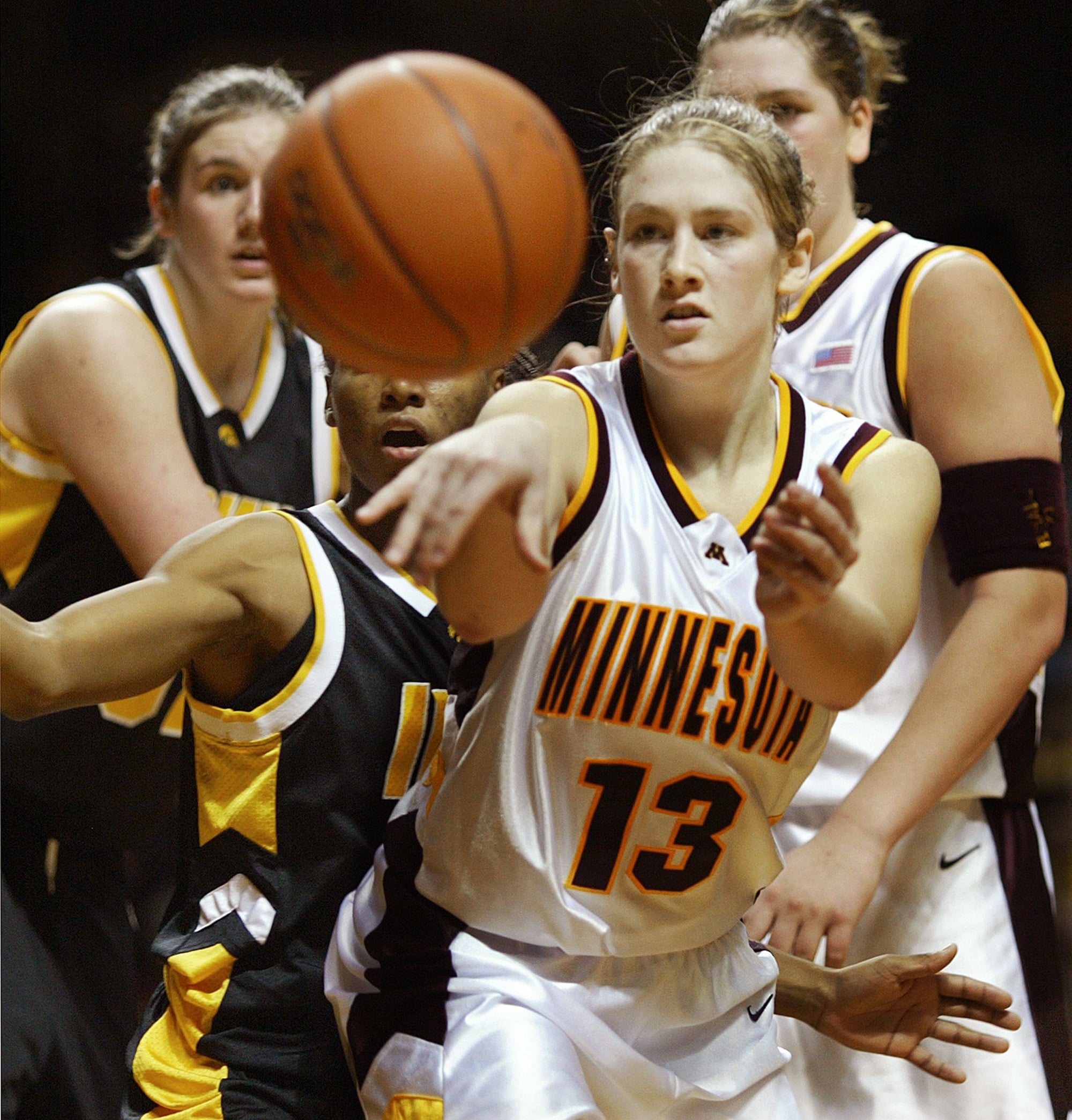
LW: It would have been 2004 when I was with Connecticut and we came back and played the Lynx here. It was a kids’ day game, I remember that. It was packed with kids. I remember that was stressful. That was a lot because it was my first time back in Minnesota from college. I think it was sometime in July. I remember we were in the Twin Cities for, like, two days before and you’re staying in a hotel. Every time I stayed in a hotel in Minneapolis, I just think it’s so weird. I’m unsettled because I’m just used to being at your house. So that was weird. I can’t remember if we won or lost. I think we lost.
I think it was a good game, but I think we lost, and I remember just being like, Oh, this is just awful. All the attention’s on you. Like, shootaround, everybody knew it was this homecoming thing… It was just, ugh… And then it got easier year after year.
And then my first year back here, when I got traded back to the Lynx, the first year was, again, difficult, stressful. We were a new team, new organization, we were, you know, going through your ups and downs, you’re losing games. You had to go through adversity before we really hit our stride, starting in 2011. So I remember that. I feel like anytime you do—like, your first year of college feels like it took forever, your rookie year feels like it was this really insurmountable thing, your first year coaching at Minnesota, first year here with the Lynx, and then after that, once you get a good group of people and you’re rolling time flies then.
SLAM: Have you learned any solutions to make that better, or is it just the year that has to pass?
LW: You’ve got to go through it. You’ve got to try as many lessons as you can take. You’ve got to go through it, though. Because you don’t know what to expect. You have no level of this is going to happen, this might happen—you have none of that. You have to go through the sucky times to get to the good times. You kind of got to, for a little while, embrace the bad. But that’s when you’re building relationships, you’re figuring out routines. Those are important times. As much as you’re trying to figure out, okay, this worked, this didn’t work, maybe I should try this, maybe I should try that. You have to go through that to understand, okay, this time I failed or I didn’t have my best game or I didn’t coach my best game. You have to go through that to get to where it’s, like, okay, now you’re kind of rolling.
SLAM: Yeah, this brings up a question that, understandably, not every player likes to answer. But I think it’s an important one. We all take losses, whether our job is to play the game or write about the game or any other role. Do you have an early loss that made you say, wow, this is actually gonna help down the road at some point?
LW: The loss we always talk about—we lost to LA and it was down the stretch. We still had a chance at the playoffs. And it was actually two instances that I was like, okay, this could be good. The first one was LA. We end up losing the game, but it’s back and forth. It’s tough. They have Tina Thompson, DeLisha Milton Jones. I think Ticha [Penicheiro] was playing for them at that point. and I think Lisa Leslie, I can’t remember. But anyway, we go down, we draw a play, I get fouled, we’re down one. I make both free throws. We’re up one. And they run a play and Tina Thompson gets open. She drains it at the buzzer for the win. And we needed to win that game. Well, losing that, how we lost it, essentially started to knock us out of the playoffs. But because of that loss, we ended up getting Maya Moore.
But then actually, we get eliminated the night before we play Indiana. And I remember sitting in that Westin in Indiana that, like, every WNBA team used to stay at. Somebody needed to lose for us to still have a chance. So we’re going to the last game with no chance of making the playoffs. So I’m like, this is two years in a row now. My last year in Connecticut we didn’t make the playoffs. This year in Minnesota, we’re about to not make the playoffs. And I’m like, this is just brutal. My first year in Connecticut, we make it to the Finals. We were a shot away from the championship. Second year, we make it to the Finals. I’m in the playoffs every year. All of a sudden now two years in a row, and I’m like, God, what the hell am I doing? I got to do better. I got to do more for the team.
And I remember Seimone saying something in the locker room about how this game can impact and push us towards next year. I remember being like, no way, this year’s over, like, no way. Because I’m so used to being in the playoffs.
We played a great game, that game in Indiana. Jess Adair, who we signed, like, three weeks [ago] at this point, plays a great game. Seimone has a great game. And I’m like, okay, I could kind of see the group. I’m like, maybe, you know? And then fast forward to 2011 and I was like, she was right. Every game is important. Everything is important. At the time I was young and I was like, no way. This game? We were not in the playoffs, this has nothing to do with next year. Turns out it did, you know, and she was so right about that. I think back to that last game at Indiana, out of the playoffs, nothing to gain. But the way we played and how we played that game actually pushed us forward to the next season. I always remember that as a great life lesson that Seimone was younger, but she gave me that day.
SLAM: Money Mone at all times, huh?
LW: Absolutely, absolutely.
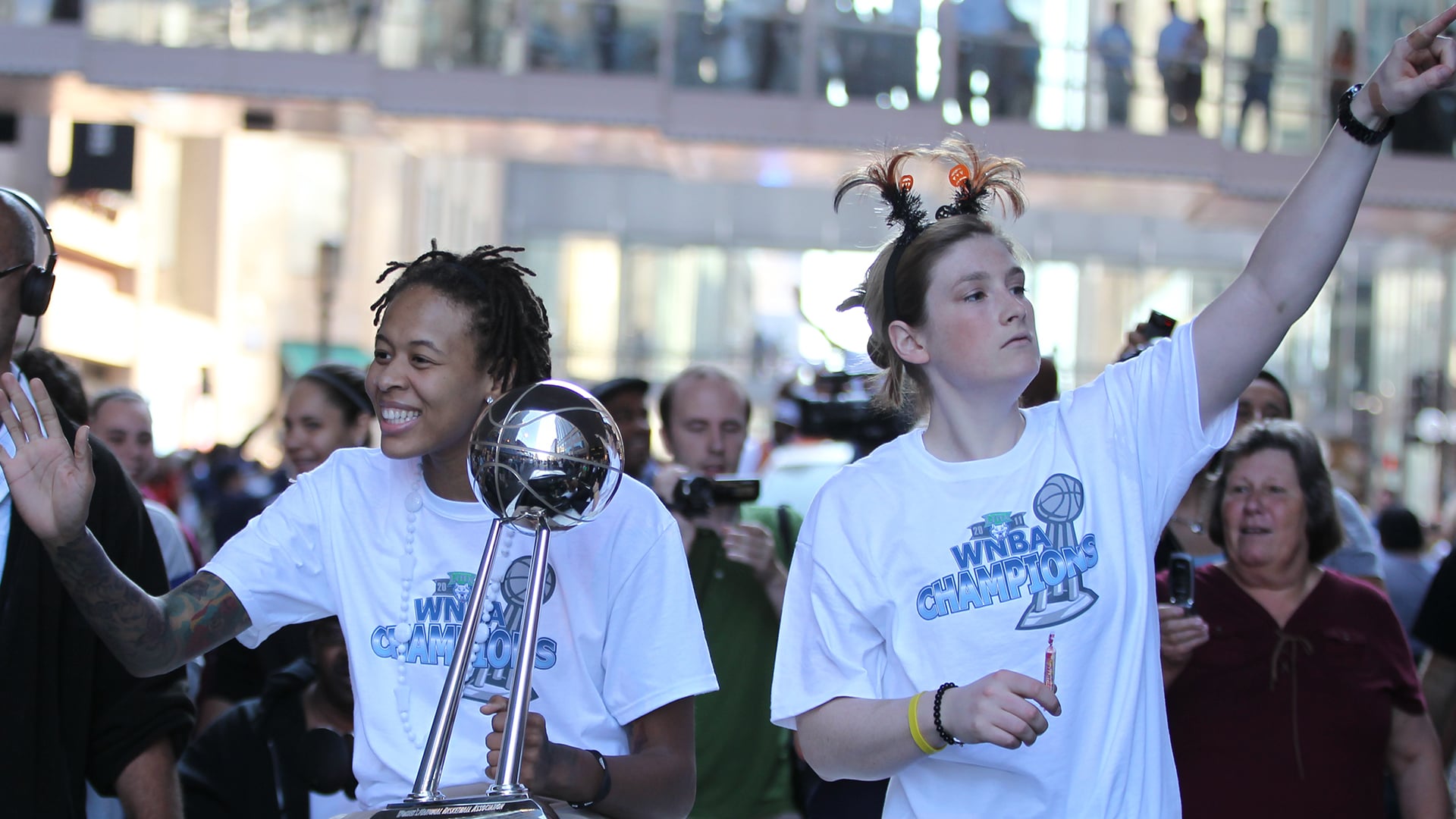
SLAM: Speaking of former teammates, you’re now on the Lynx coaching staff with two of your longtime teammates. You played at the University of Minnesota with Janel McCarville and you also won the ’13 WNBA championship with her. And you and Rebekkah Brunson both got to the Lynx in 2010 and you both retired in 2018. Has there been a moment where you guys have looked at each other and it’s been like, we cannot believe this is happening in 2026?
LW: I think when JMac first came back into practice, maybe that was how Becky thought maybe last year like, okay, we’re back. But I just think we’re enjoying the day-to-day together. When you think about it, it’s really cool to all be on the same staff and working together. You’ve reunited and I think the great thing is that it feels like no time has really passed with anybody. When you have a special bond with people, that’s kind of how it is. Sometimes it’s just after the games now, we sit in the locker room. And we have a cold drink after and then you feel like you’re in the locker room as the players, because even though you didn’t play, you coached or whoever’s scout it was. You feel those same feelings as sitting in the locker room because it was so intense. Those are probably some of my favorite moments for sure. That and traveling and going out to dinner together. It’s like that guy, when he said what he’s going to miss is going out to eat with the team. It’s true, it’s what you miss. You miss that and you miss the locker room and the training room. But now we kind of get a little bit of a second act all together, which is fun.
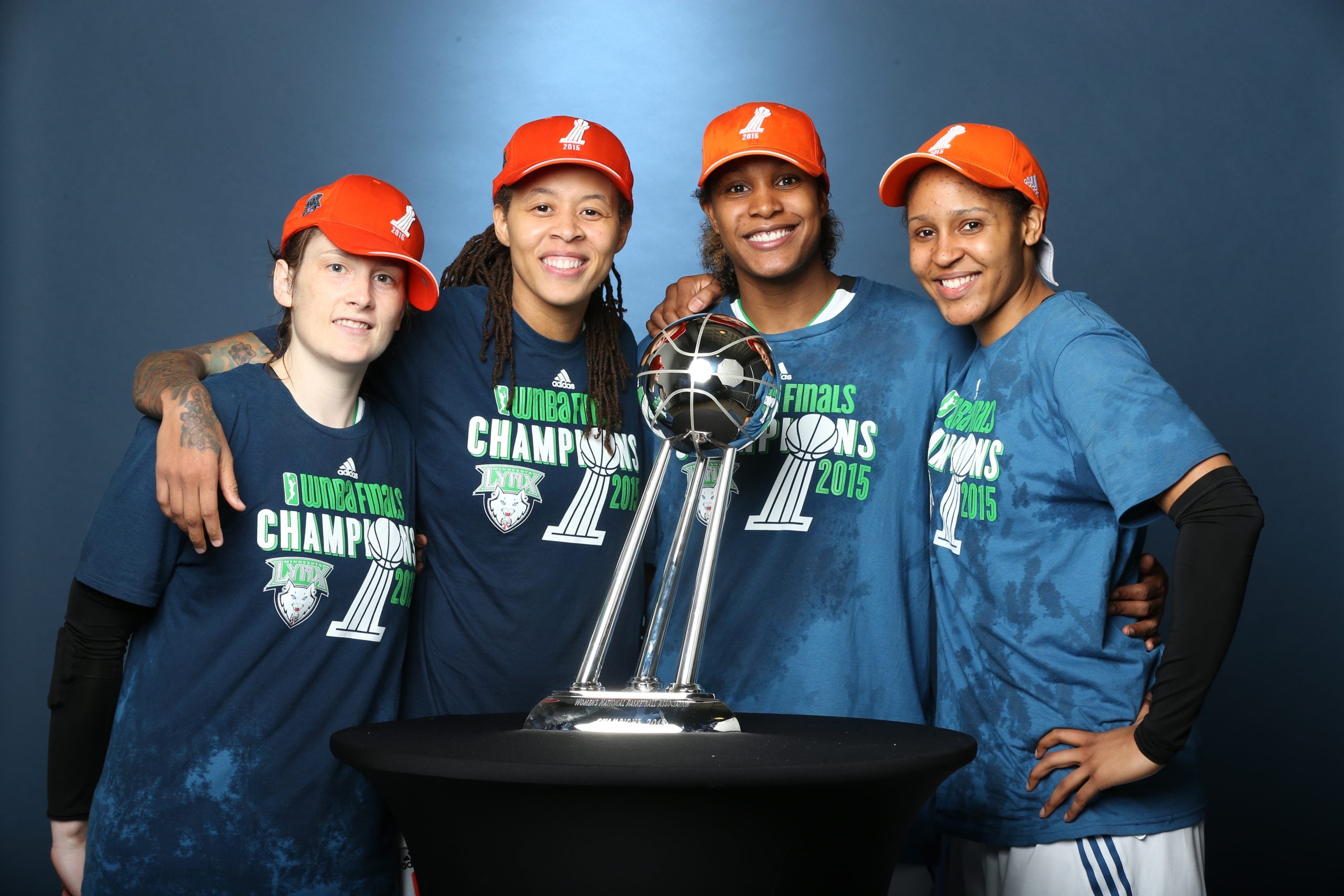
SLAM: That bond that you speak of was so apparent when you all played together, and it always made me think of when you would come out of the huddle from Coach Reeve and you would all huddle up together one more time. Can you just give some insight as to what the conversation would be like between all those different Hall of Famers as you’re about to go back into battle?
LW: Well, most of the times it was we were reminding each other of what we were in because there’s so many things said in the timeout. And ATOs are so important, you don’t want to mess up an ATO. You don’t want to be the one to forget. And so we would just remind each other because you might be talking about a defensive coverage or a next action or whatever or something else even within what you’re trying to do, but then always there’s the after-time out play and you never want to forget that. That’s a cardinal sin in basketball. That we would just constantly remind each other of what we were running next and maybe pump each other up, maybe, you know, get on each other a little bit. You knew when we were doing that, we were so connected. The games when we weren’t doing that, we weren’t connected and it never went well. But before the game, we would huddle and we would talk about getting our first play, if we were in a man or a zone. Basically, like, it’s time to go now, here we go and we’re in this thing together.
SLAM: Mentioning ATOs makes me think about how much was on your shoulders as the floor general of a dynasty. You had two of the most elite wing players ever on either side, you had JMac, you had Brunson and then eventually you got Sylvia Fowles, not even to mention the fact that you could get real active, too. That’s a lot of firepower. What was your mental checklist as the floor general and you were dribbling the ball down the court?
LW: Trying to keep everybody happy. It’s like being a parent. No, I’m kidding.
My checklist was see if we can get one early. That was usually Maya. Maya’s always taking off. Becky Brunson or Syl sealing the rim. That was another option. Mone, I’d headman it to her and she’d get in a drag or I’d try to penetrate. If I could go, I’d keep going. And then Mone was more if they helped on me, I was just looking for Mone for her jumper. And Maya too, but like I said, Maya was usually out. She was gone. So if I hit her, great. If not, I’m bringing it up, and now I’m like, if Mone’s open, I’m hitting Mone. If not, I’m maybe trying to attack, maybe getting a drag screen, and then I’m trying to find Mone. So essentially Mone was the one I always was spying because she was so efficient and she was always in the right spots.
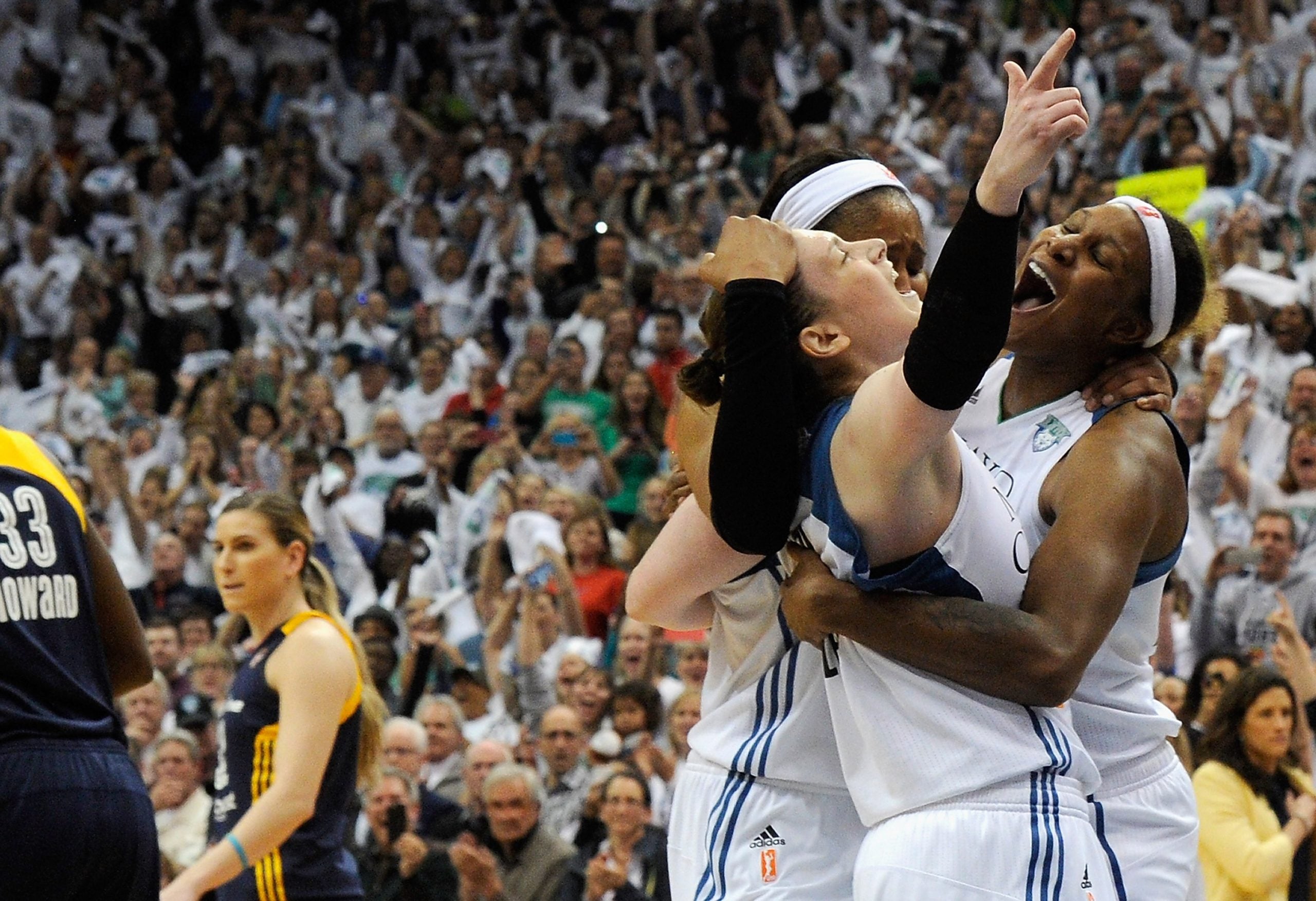
SLAM: We’ve spent a lot of time now talking about all these different versions of Whay on the court, from high school to college to the pros. Do you think there is a throughline between the version of Whay as a kid playing at the rec in Hutchinson and the version of Whay that is a four-time WNBA champion?
LW: I think when you love doing something, there’s a way that’s probably the biggest connection through, and then just liking to be on the team and be around people. The year I wasn’t, it was not fun not being on a team. I love being on a team. I’m part of a mission and a goal and having things that we have to all do together and work through collective times and struggles. I think just loving the game of basketball, really just loving competing and trying to be better than everybody else. And then understanding too, it’s the team that matters, it’s the group that matters, it’s how you can impact everybody on the team and being on the team. For all the parts of it, the hard work, the tough conditioning, the postgame, the post-practice, the meals, the travel, all that is, it’s really fun to go through that with a group of people. Those are probably the two things that since high school, being on the bus, stopping at McDonald’s on the way back from the game, grinding the game, and then now it’s obviously different now in the pros, but all those I think are probably the big connector that you could say is still the same from high school through now being middle-aged.
SLAM: Experienced. [laughs]
LW: Yeah, experienced, experienced. [laughs]
SLAM: Speaking of teamwork and being part of a mission, was there an actual conversation about sacrifice when you started to stack up Hall of Famers in 2011, 2013, that type of time? Did it just happen naturally?
LW: I think you had a lot of unselfish players, but at the same time, everybody knew that they could make the shot. Everybody knew they could make the game winner. Everybody had confidence that they could do it. Coach would talk to us about that. It’s not a selfish thing in a negative way. It’s just you all have confidence in yourselves that you can do it, but there’s going to be times when maybe this is the right night for you, this is the right night for her, this is the matchup, or understanding that is how you win these close games. Like, who the ball’s supposed to go to, when it’s supposed to get there. That was something that we had to all really learn and adjust because when I was in Connecticut my last few years, you know, I was first, second team, whatever, like, runner-up MVP one year and then Mone had the highest scoring average going in. Maya’s the number one pick, Becky Brunson had already won a title. Janel was just Most Improved, like, two years before. And then Syl came in and was already an Olympian. So I think it was just understanding that in order to win, which is the most important thing, that it’s going to be different nights, it’s going to be different times for different people, and embrace that and understand that it’s not a negative that people are confident, but understanding that you got to know where the ball’s supposed to go and each night it could be something different.
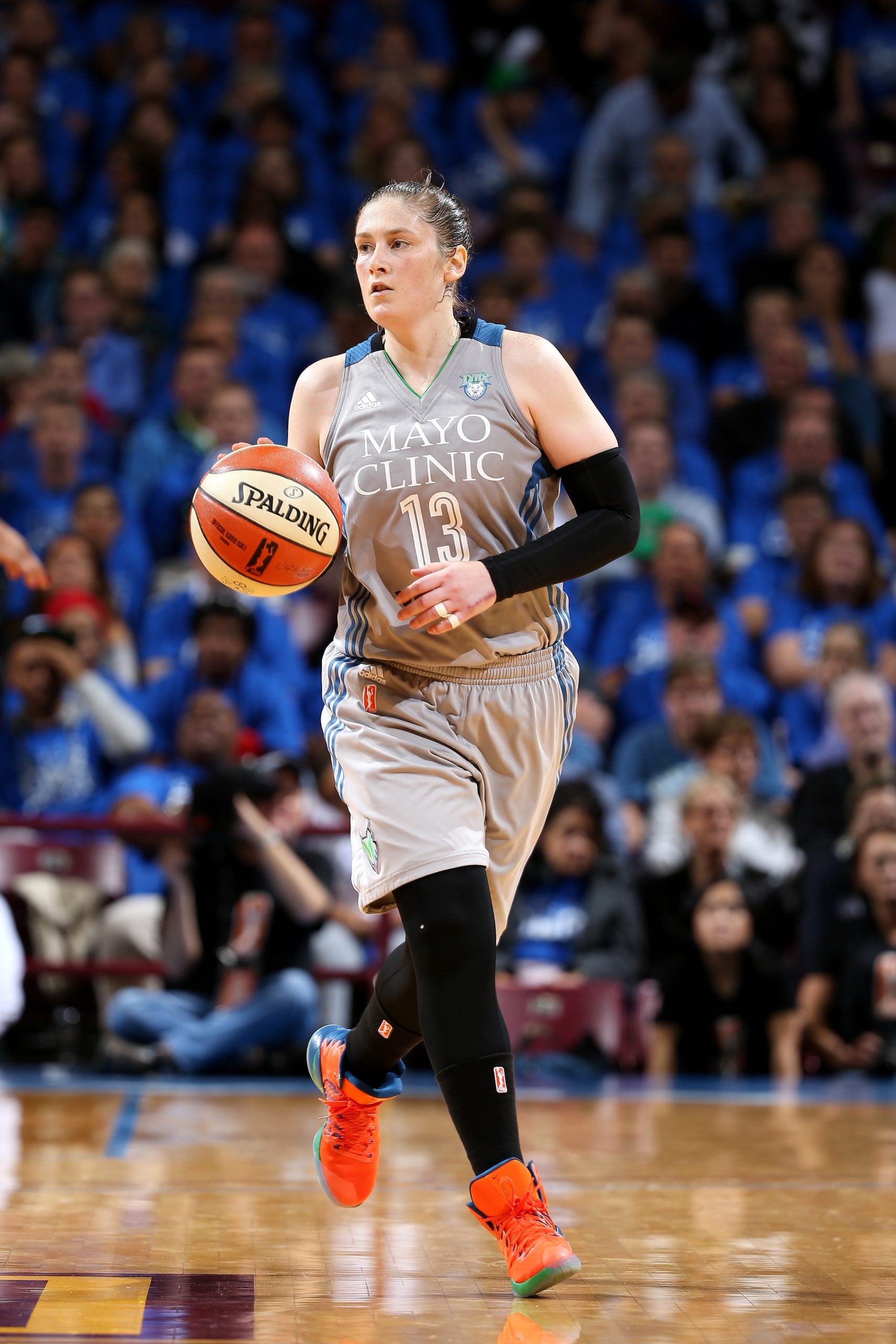
SLAM: Because you mentioned the Connecticut days and mentioned making it to the Finals twice, the on-court skill speaks for itself. I’m really curious about how you were watching film back in the day because I think that that is a huge part of having success as a young player. You have all those physical tools and I’m curious as to how you were breaking down the game and acquiring insights?
LW: We watched a lot of team film. There’s more individual film now as a player. Even towards the end of my career, we watched a lot of team film. I’ve watched a lot of Jason Kidd, a lot of Steve Nash. I remember my grandpa bought me videos of Steve Nash. It was more that and more watching NBA games, watching the Finals, especially because the Finals are always the first bunch of days in the WNBA, so those were the guys that I watched. You’d watch Sue Bird and what she does and how she sets pick and rolls up because she was a couple of years older than me. A little bit of Dawn Staley.
But technology wasn’t what it is now. The players now have a lot more at their access. By the end of my career, I developed a ball handling routine by watching Chris Paul on YouTube. That’s one that I still do to this day and I swear by it. It’s a two-ball and it’s just a really good fundamental drill, but I took it from watching him on YouTube and we made it our own. I just did it the other day with one of our young point guards. I think it was more that type of stuff than watching clips and breaking stuff down, you know what I mean? I guess we watched a lot of ourselves too. A lot of ourselves, a lot of our team. So you got to really learn pretty quick what you should be doing.
SLAM: And then my last question for you, Lindsay, do you know what the date, June 8th, 2019 represents? It’s the the day that the Lynx retired your jersey.
LW: I remember the video that they made. They made a huge, like, production, a huge deal out of it, they did it so well. It was crazy good. They interviewed my parents, they interviewed a lot of people from here, but I even think some college people. It was so well done. That video is what I remember. They played that and I’m like, oh God, now I gotta speak. It’s hard, though, too because I was talking about this with Elena [Delle Donne] this weekend at the Women’s Basketball Hall of Fame.
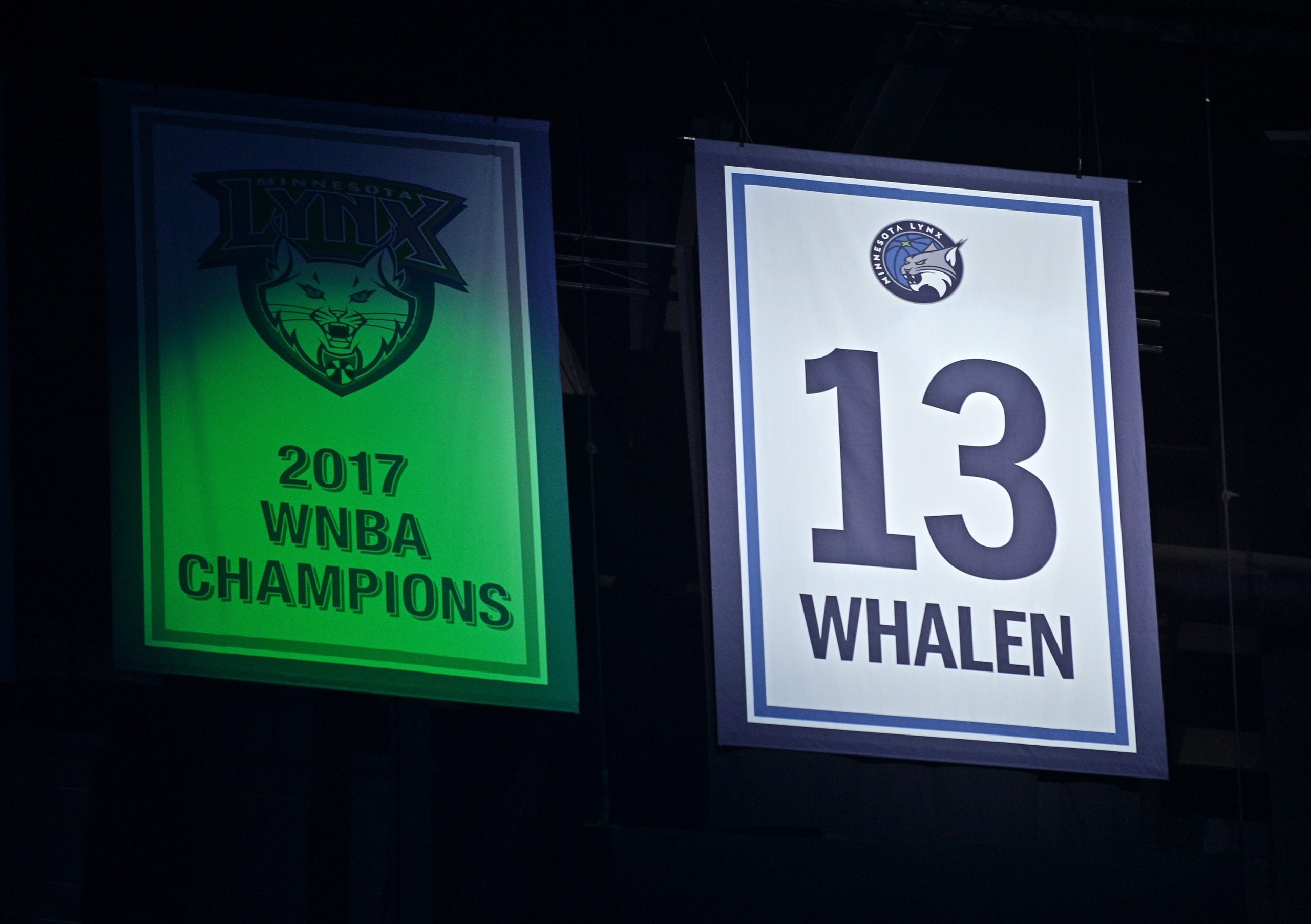
There’s so many parts of retirement though that are really difficult, so I remember that was still kind of hard. It gets easier the longer you go, obviously. It’s like anything. But there are still times where you’re like, oh, should I have played more? I was head coach at Minnesota, so, I did that thing and I just remember the video being so well done. I remember the Lynx doing it up big. And I think I was the first one. And I just remember they did a great job of kind of closing that chapter of my life. But I remember still it was a little bit sad, bittersweet a little bit. It’s tough, like I said, the further you get away, the easier it gets.
SLAM: It sounds like what you were talking about earlier, right? Accepting the difficult times and then you kind of get through it.
LW: Yeah, yeah, absolutely. It’s like every chapter of life has that a little bit, so, yeah. Well done. You must be a writer. You must be able to put things into words.
SLAM: Yeah, just a little bit. Thank you so much for doing this, Whay.
LW: For sure!