Jerry Stackhouse is Ready to Be the Head Coach That NBA Players Need
Hoops happens in pictures for Jerry Stackhouse. He breaks down the court into thirds and then he breaks down the half-court into quadrants. He did it as an NBA player for 18 seasons, as a key contributor with the North Carolina Tar Heels for two seasons, as an epic pickup at Oak Hill Academy for one season and as the best player that Kinston High School (NC) has ever known during his three seasons with the Vikings.
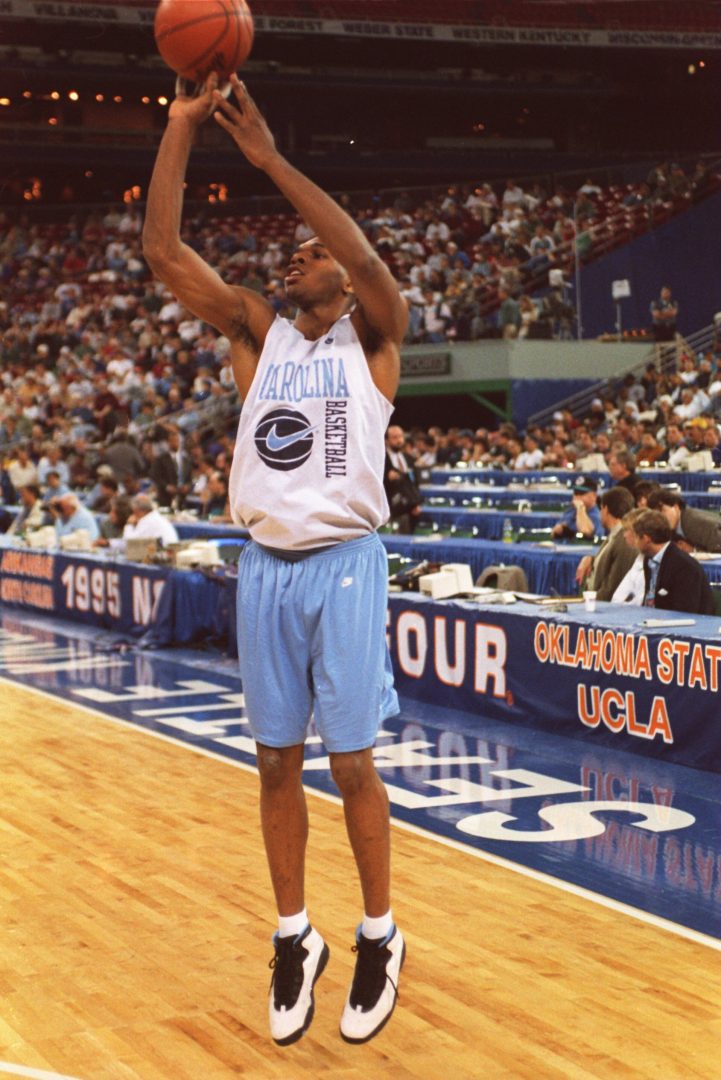
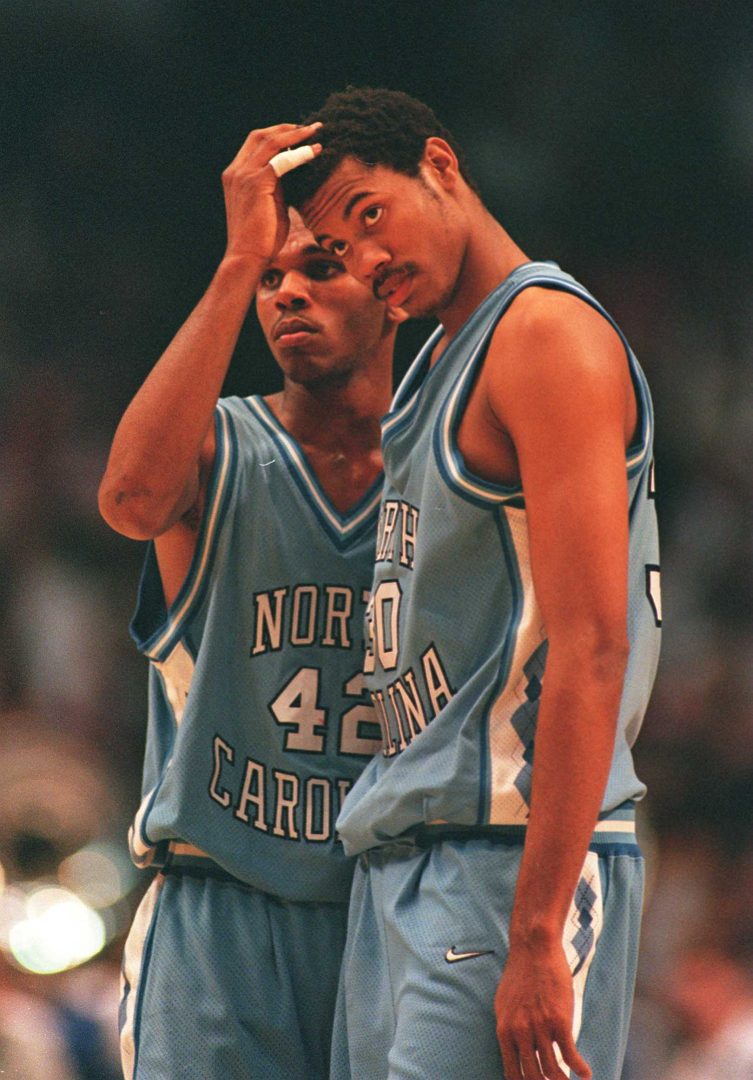
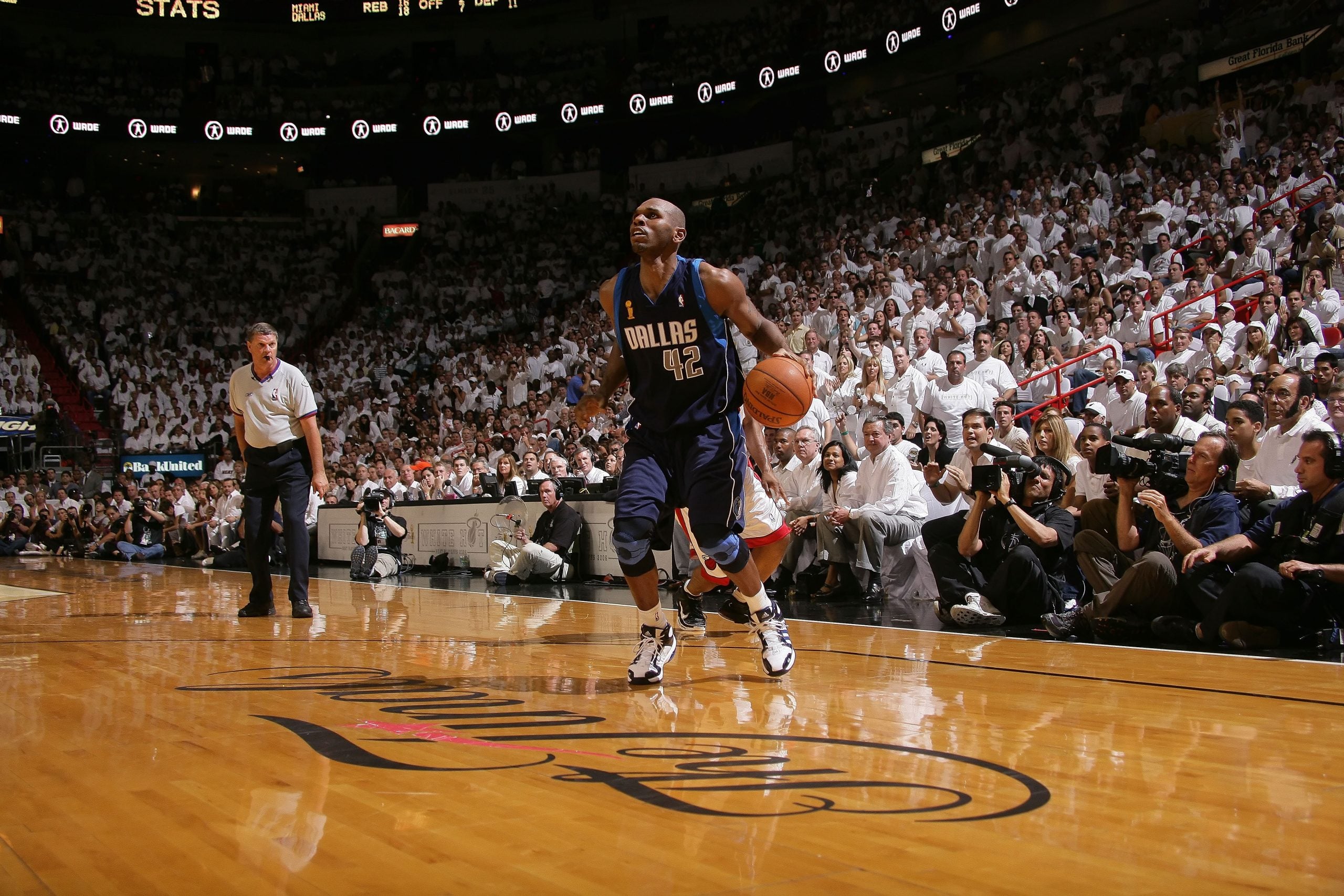
He was elite as a player. An All-Star who once led the League in total points scored, a top three pick and a key member of the Mavs squad that played in the ’06 Finals, Stack held nearly every role imaginable in the League. He was the guy and he was the sixth man. He was doubted and he was praised. He was a student and a teacher. He stayed adaptable and lasted nearly two decades.
Somewhere along the way, he began to think about his next steps along the path. Guided by some of the game’s most film-strained eyes and ink-stained hands, Stack had been gathering generational coaching knowledge simply by osmosis. And now this former player—the guy on multiple teams—is voicing his desire to lead an NBA team.
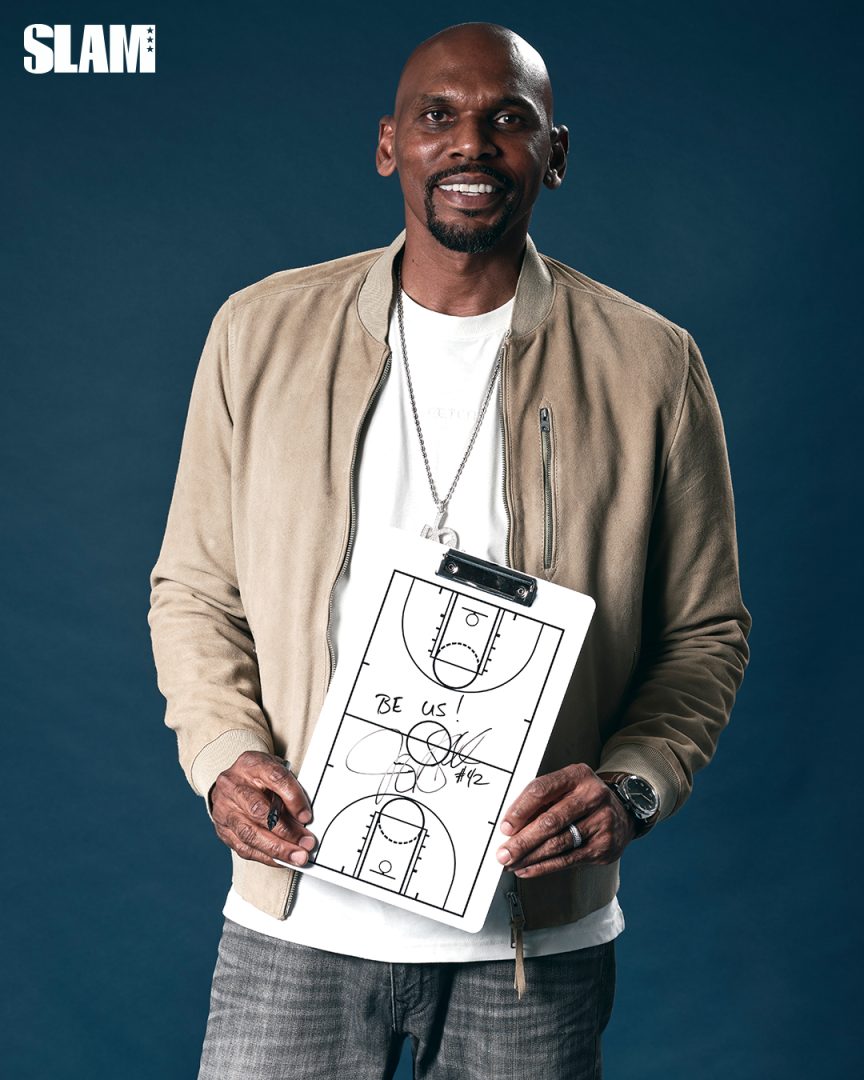
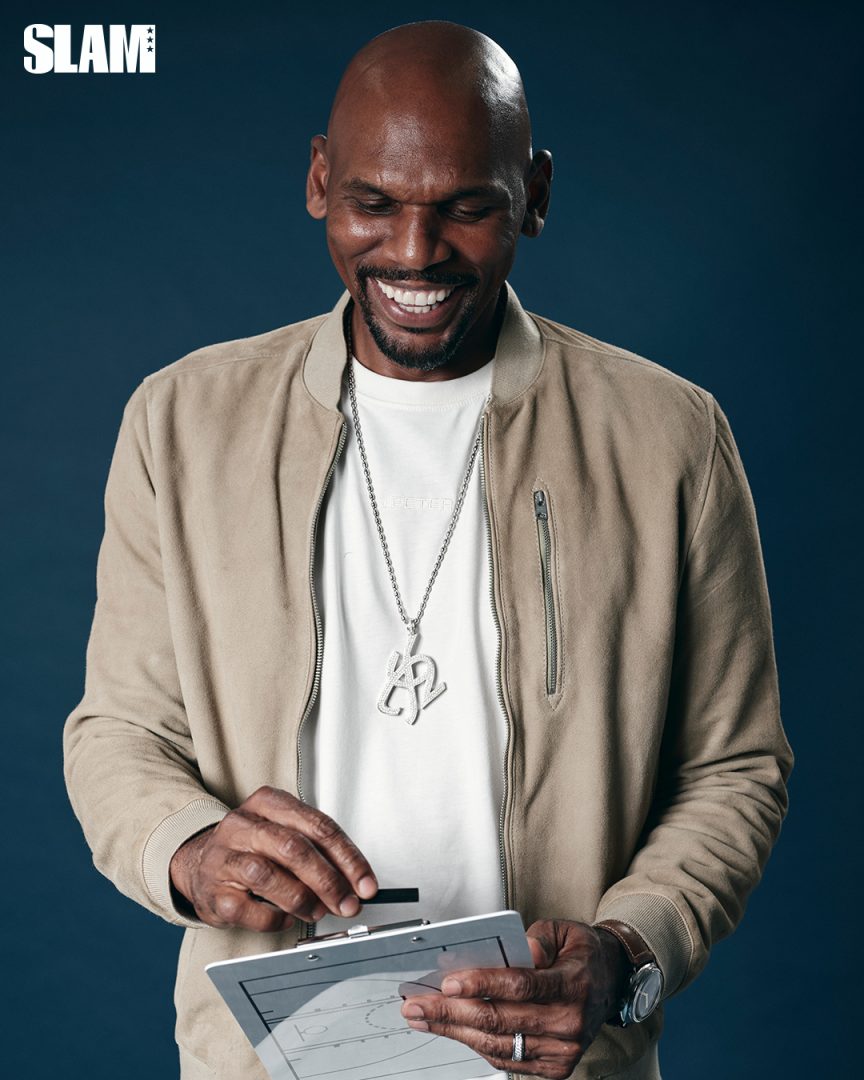
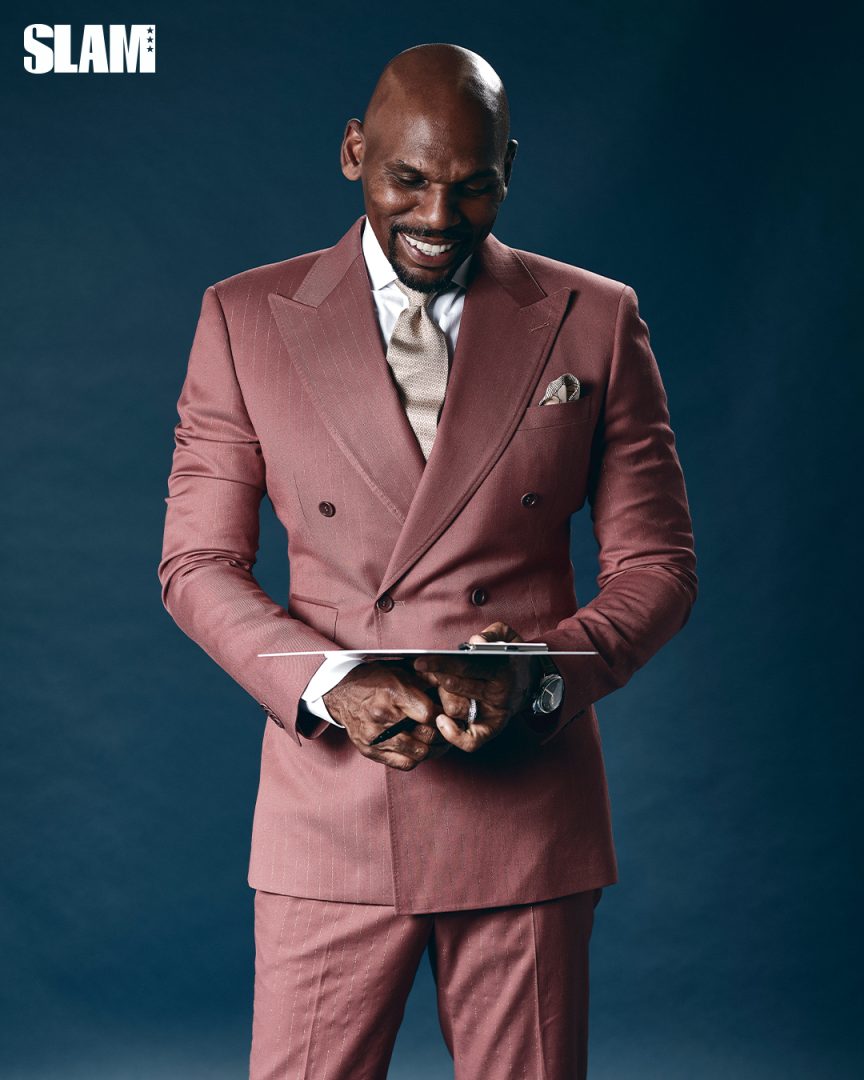
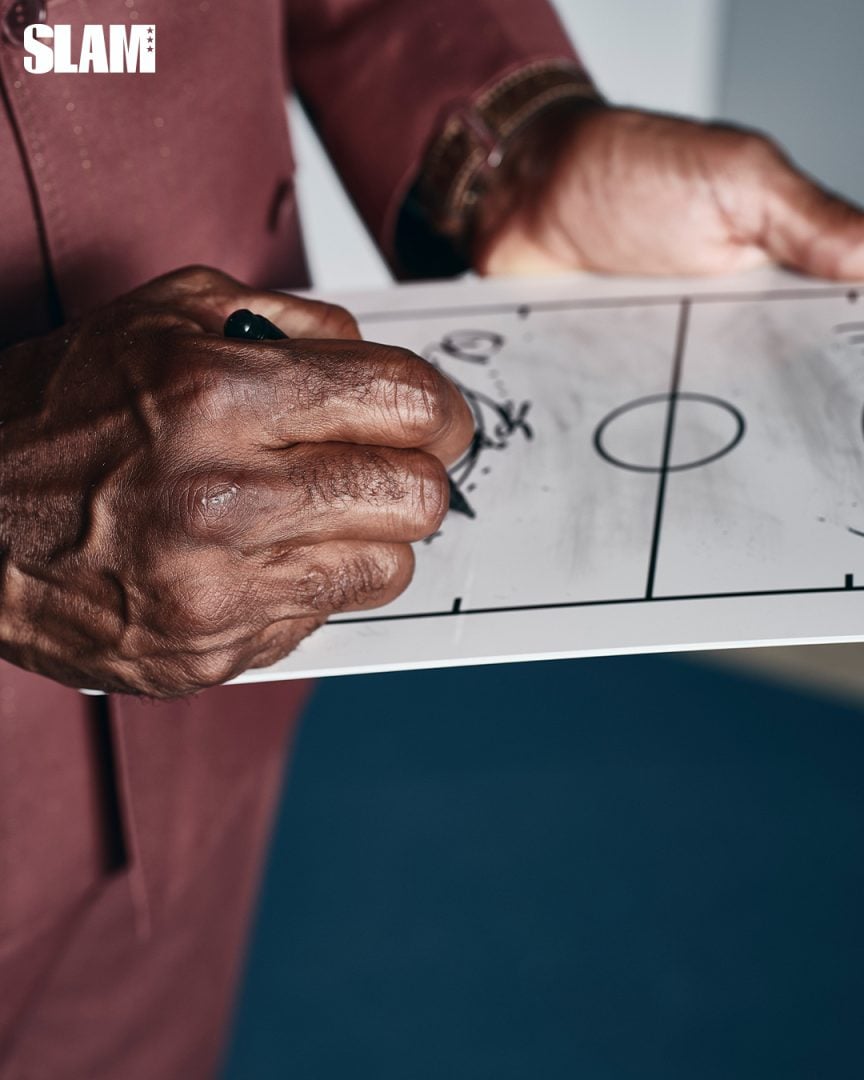
Though it’s difficult to pinpoint exactly when his brain began to absorb the specifics, the genesis of his coaching journey didn’t find its footing in the League or at the college level. His first actual pupil wasn’t an All-Star, his first number one option didn’t have 10 game-winners to his name. Stackhouse’s coaching journey began with a very different first—his son. It was kind of a happy accident, the kind that others might refer to as fate. Nobody else was really stepping up to lead the AAU team that Jaye Stackhouse was on, so #42 accepted the hot seat. He got handed a clipboard and a marker, the same kind that so many of his coaches had smeared all over their suits. He learned quickly that he liked drawing up plays, he enjoyed imparting wisdom and there was a competitiveness to be found on the sidelines. And competitiveness? Well, Jerry’s the youngest of eight boys. His competitive spirit was nurtured by nature.
“Next thing I know, I had the bug,” Stackhouse tells SLAM. “I was like, ‘man, I wanna do this.’”
He took charge of that team full of 13-year-olds and got hooked by the developmental process. Pictures started to emerge all around him. He saw the future.
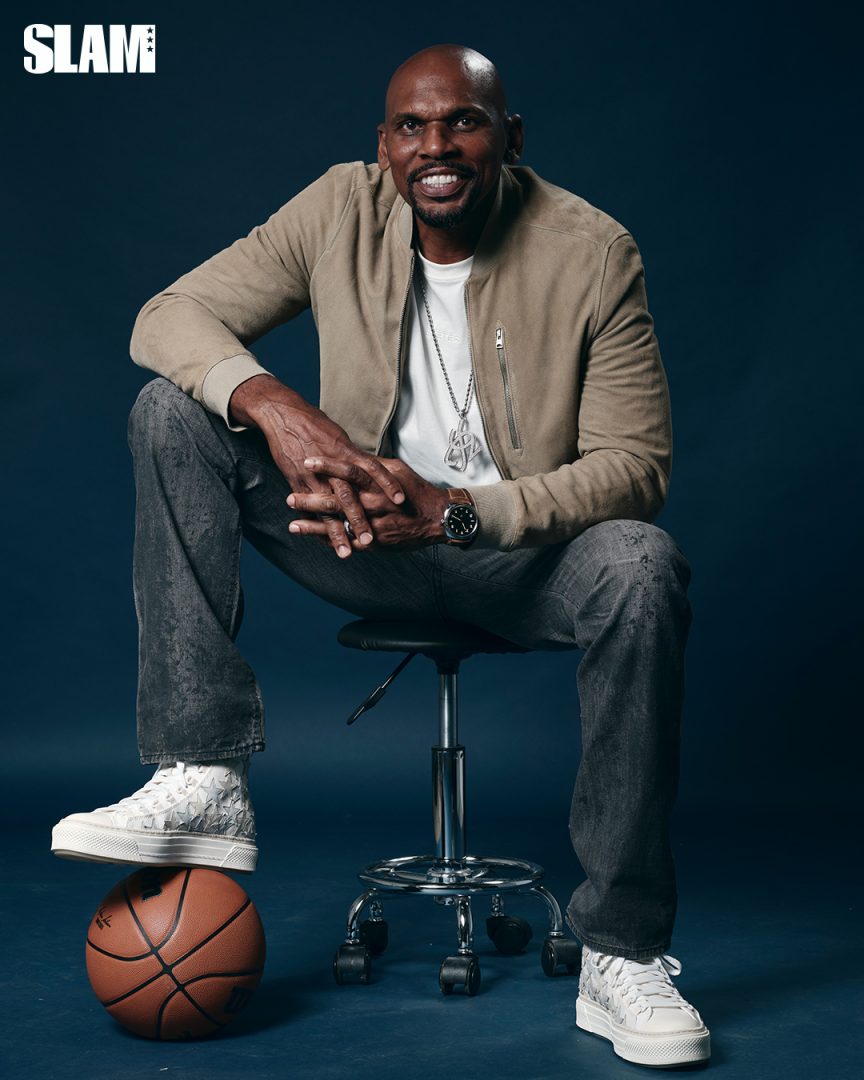
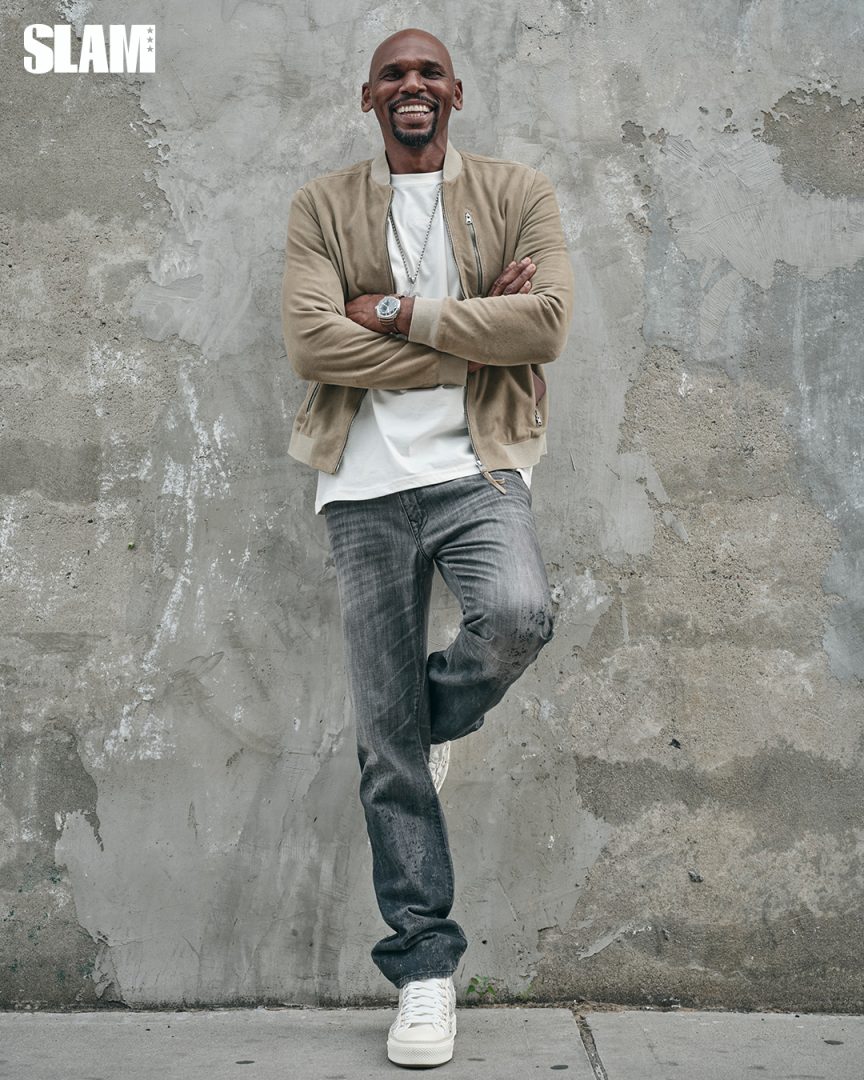

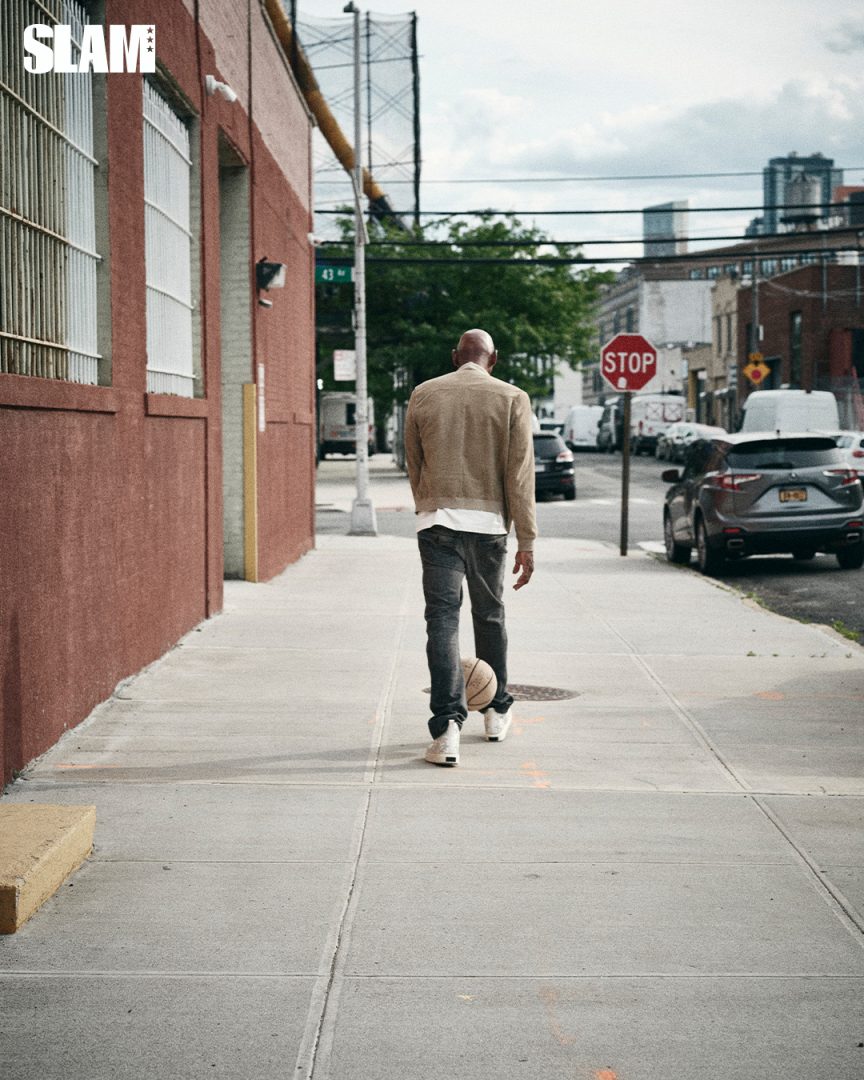
Stackhouse’s future has been heavily influenced by his past. The seeds of his success fell from the coaching tree of Dean Smith. They were watered by Larry Brown, then by Gregg Popovich and then finally by Avery Johnson. Coach Smith, of course, led Stackhouse and so many other greats while patrolling the sidelines the Tar Heels. The branches of Coach Smith’s coaching tree continue to fall down on Stackhouse’s life, even all these years since he’s passed away.
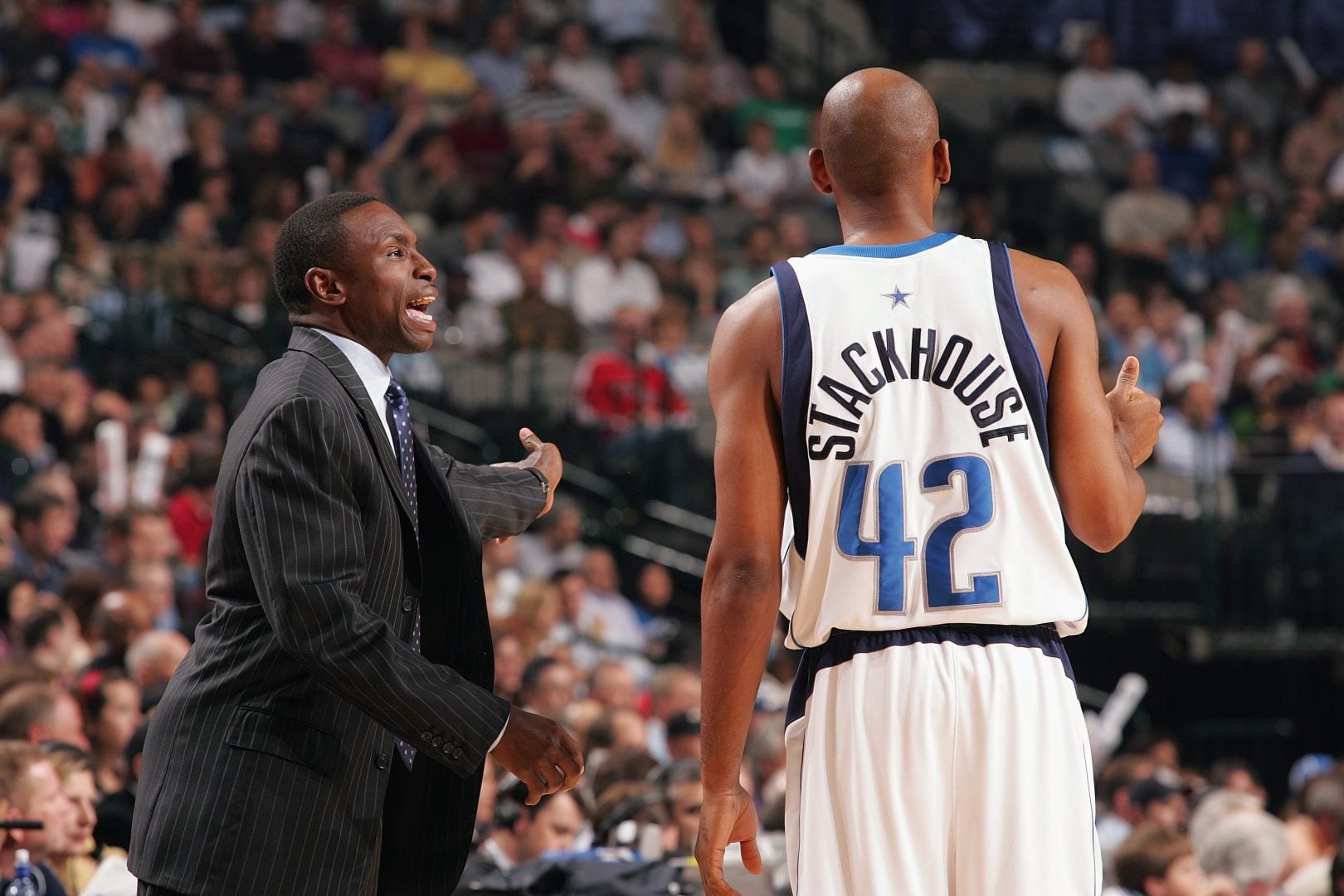
Stackhouse connected deeply with Johnson in Dallas, as he did with Rick Carlisle in Detroit and then in Dallas. He respected their leadership tenants, their on-court strategies and their problem solving capabilities. He saw the pictures they saw. A bevy of other Hall of Fame coaching minds were at Stackhouse’s disposal while he was playing and he started mixing and matching different things he had learned. Stack took Coach Smith’s defensive principles (no middle on defense) and people management skills, added in the intensity of Johnson and sprinkled in the foresight of Carlisle to make a coaching style rooted in generations of insights and remixed to fit the modern athlete’s mindset.
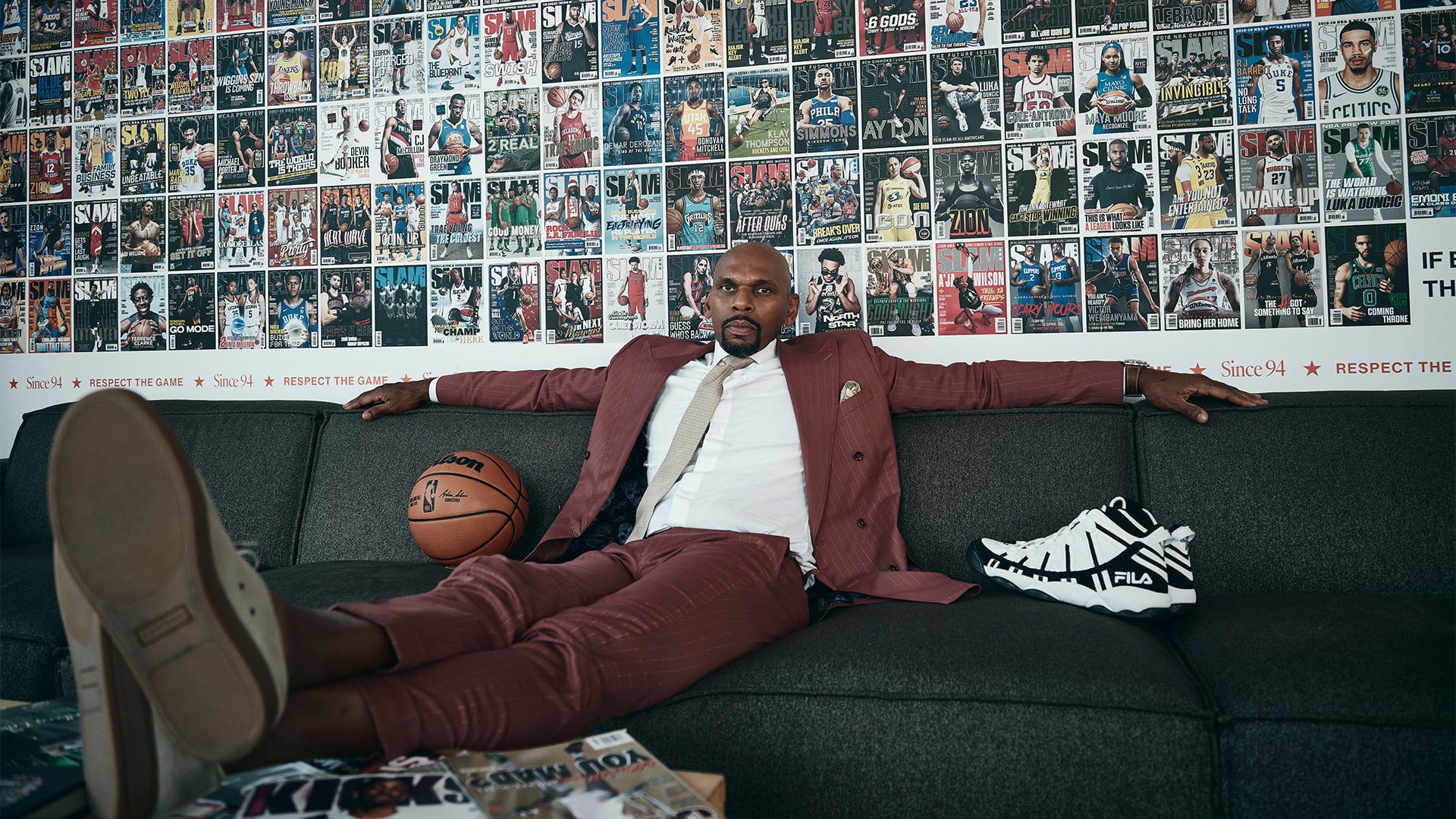
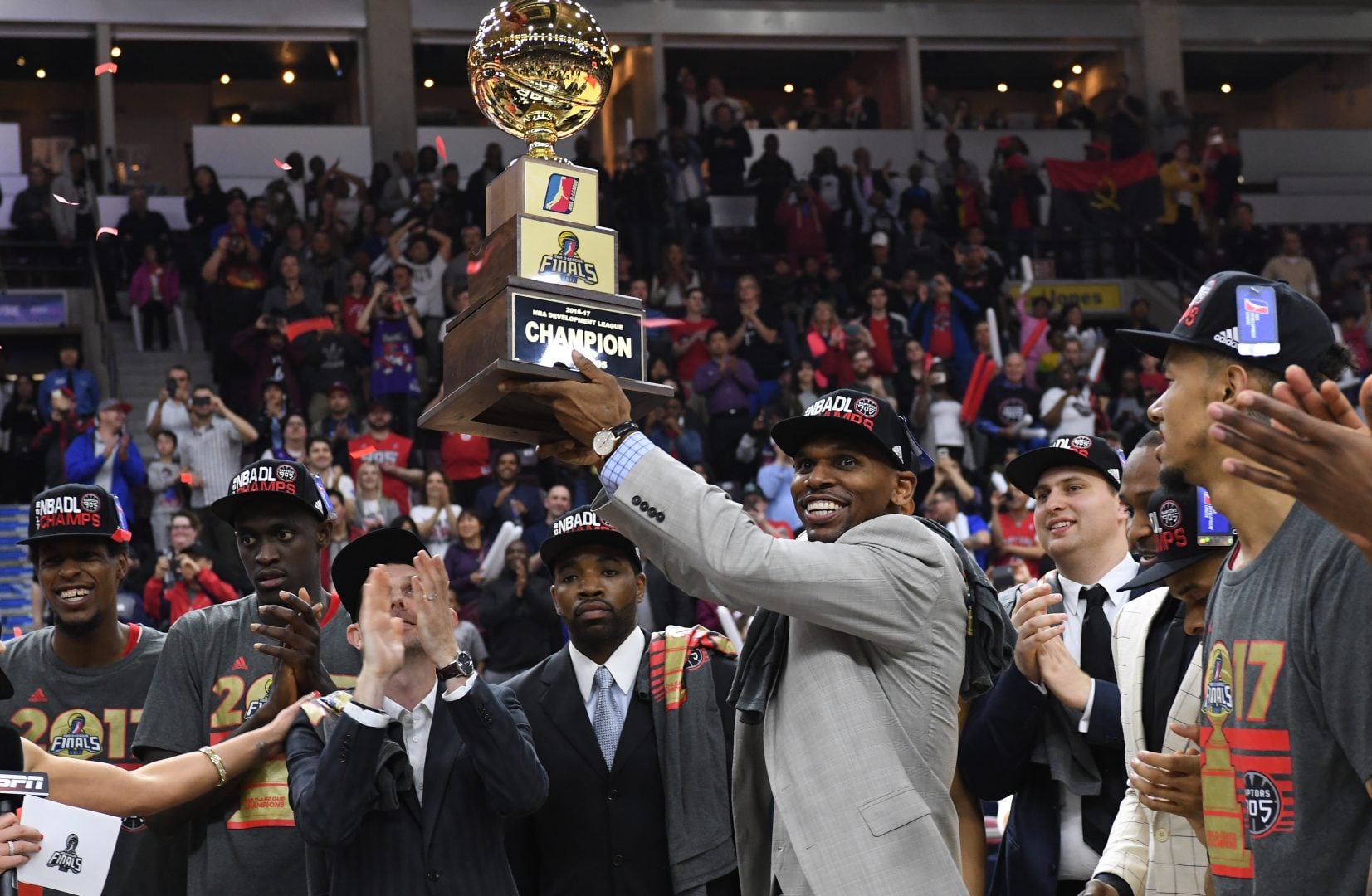
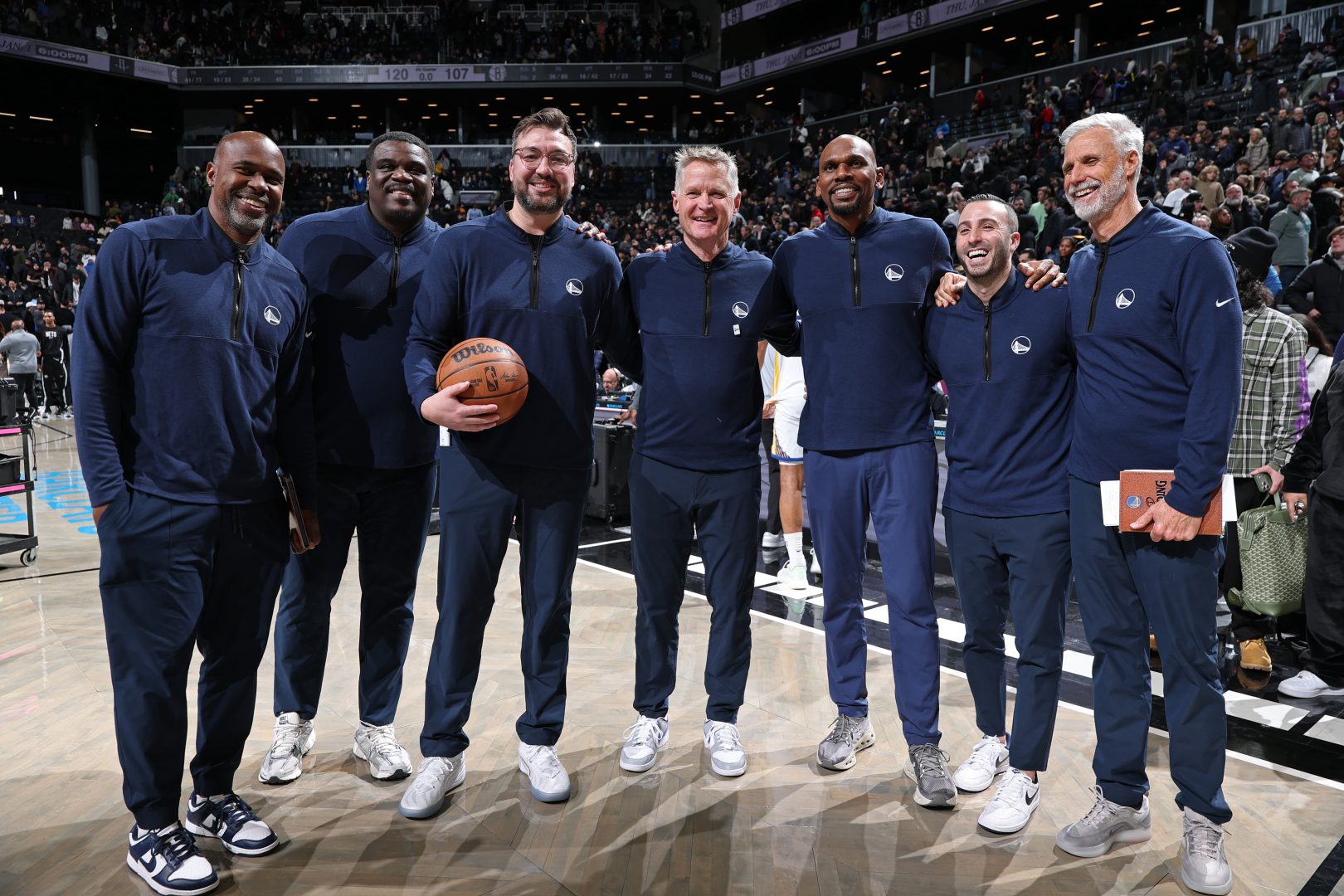
Since coaching his son’s AAU team, Stackhouse led his fellow Kinston, NC native Brandon Ingram’s high school adidas squad to Treviso, Italy and he has ascended to be an assistant coach with the Raptors, the Grizzlies and most recently the Warriors. He also led the Raptors 905 G League squad to the 2017 championship and he was the head coach of Vanderbilt for five seasons. He’s still chasing his dream to lead the best of the best. The work, he says, never stops. Our interview at SLAM HQ in NY takes a meandering path down high-level basketball methodology delivered smoothly, as digestible as a perfectly smoked salmon. Stack easily displays his well-earned basketball acumen with an accessibility that only comes after years of discussing the game. He seemingly melts right into discussing how to attack pick-and-rolls as both a defender and a ball handler. He shares how, in the 90s at UNC, he and Rasheed Wallace used to run a play that has been credited to the Spanish national team in recent years. He rattles off the points per possession stat for free throws in the NBA and how it compares to threes. And then he’s back to discussing the modern day Spurs, seamlessly switching back and forth from the detailed to the general.
This is no accident. This is all by design. Stack has been observing and studying since before he even knew he was observing and studying.
“I had great, great mentors, man,” Stack says. “Not only Coach Jones [at Kinston High], but Coach Robert Murphy, he was my junior coach. Even when we weren’t really good my freshman year, he would take me to a state championship to see what that looked like. He would take me to different games, NC State, going up to different college games to see what that looked like on our own. It wasn’t like we were even on unofficial visits or anything like that. He was like, ‘come on, we’re, we’re taking a ride, we’re going to the game, you know, Saturday and this and that.’ He was probably calling them and getting tickets, but that was all beyond me. It was just the fact that I had mentors like that, you know, real men to show you how you’re supposed to dress, how you’re supposed to treat people and all those things. I had great, great men in my life to, you know, other than my own father, that helped me to do the things that I did and showcase my talent.”
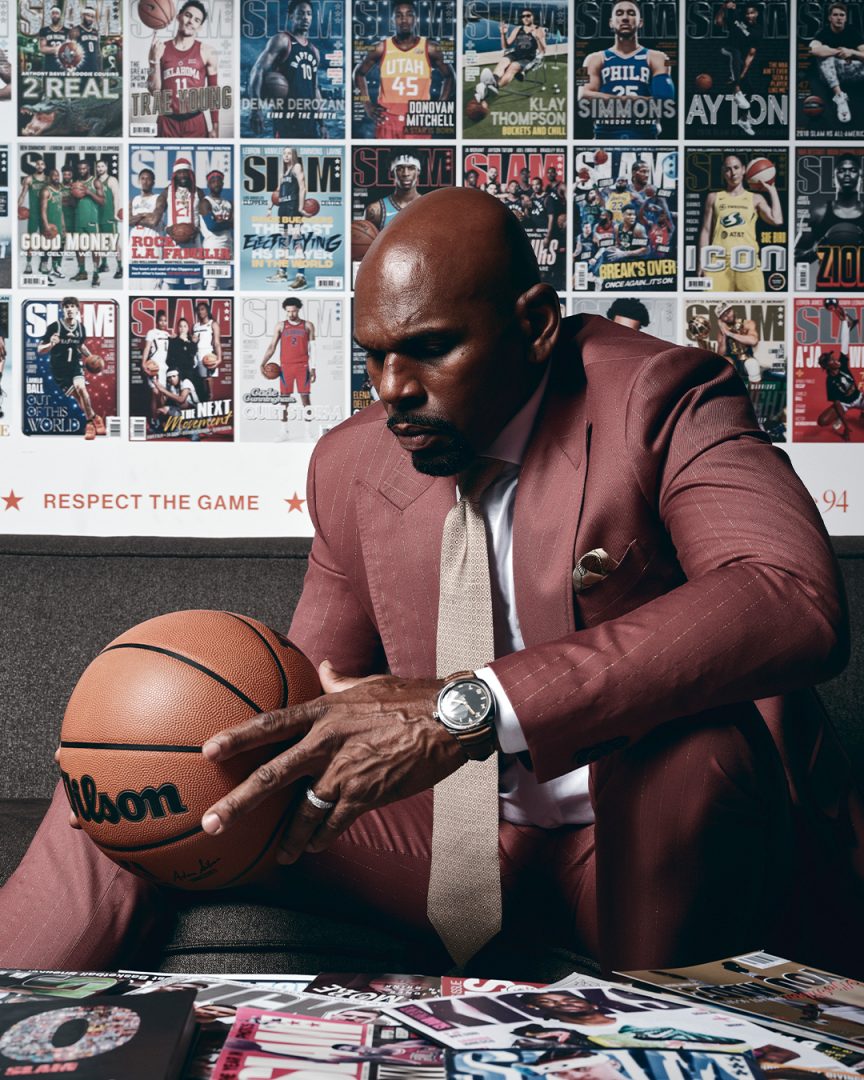
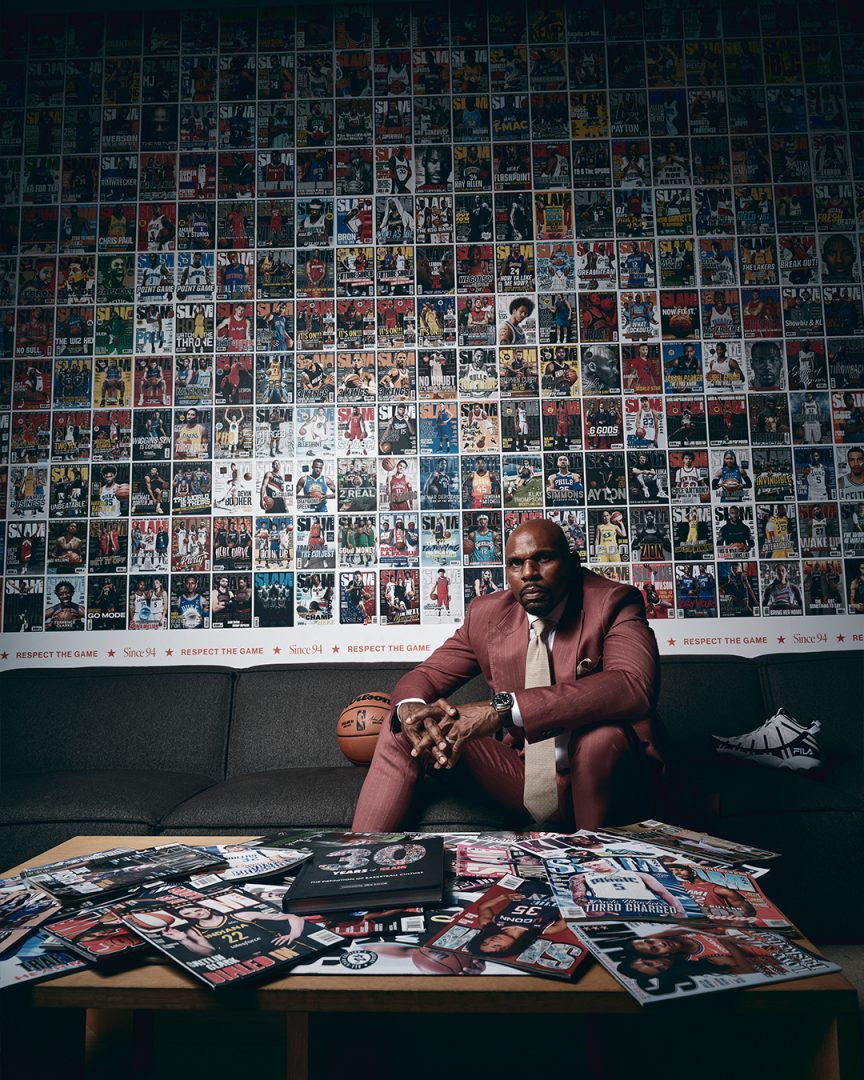
Quadrants, slots, pain, heartbreak, joy, glory—pictures painted physically before Stack’s eyes. When it was his turn to paint, he barely ever stopped. He even has two SLAM covers as a player to prove it. That’s how nice he was.
His SLAM 11 cover story, released in 1996, was all about how the game’s tomorrow belonged to him.
“In a world where basketball means everything to everybody, Jerry Stackhouse is the future,” legendary SLAM scribe Scoop Jackson penned.
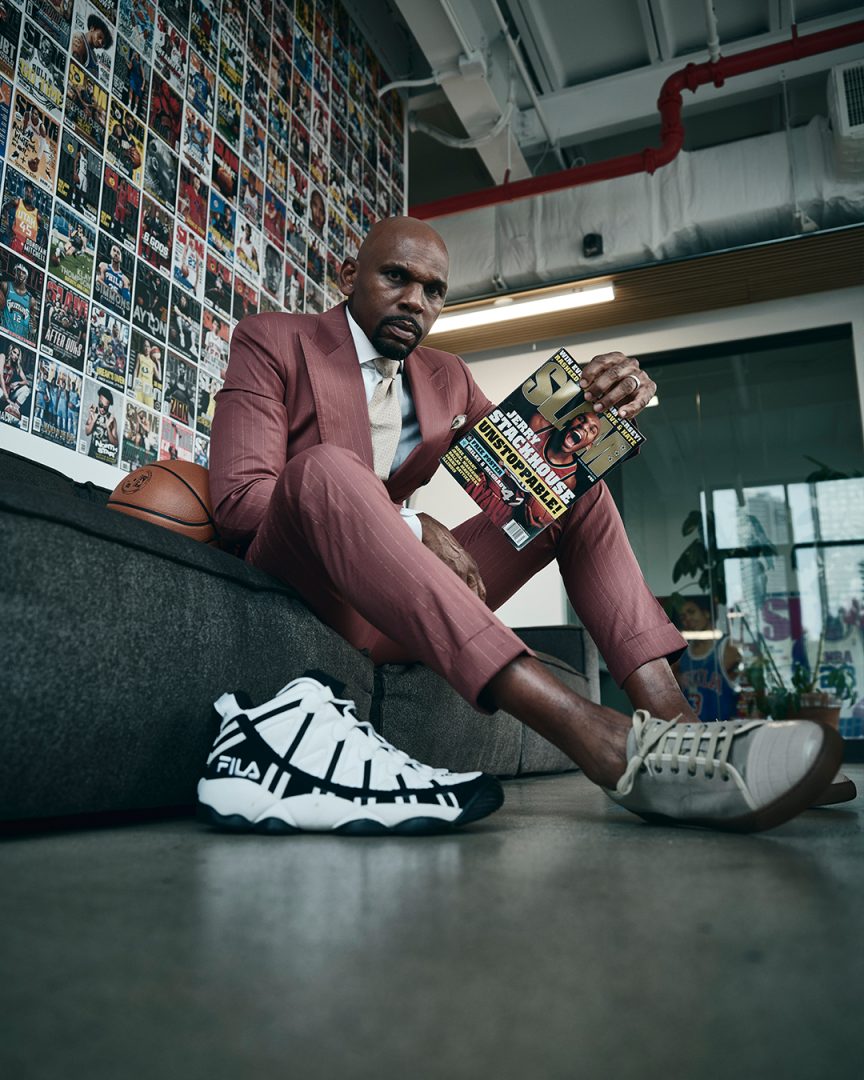
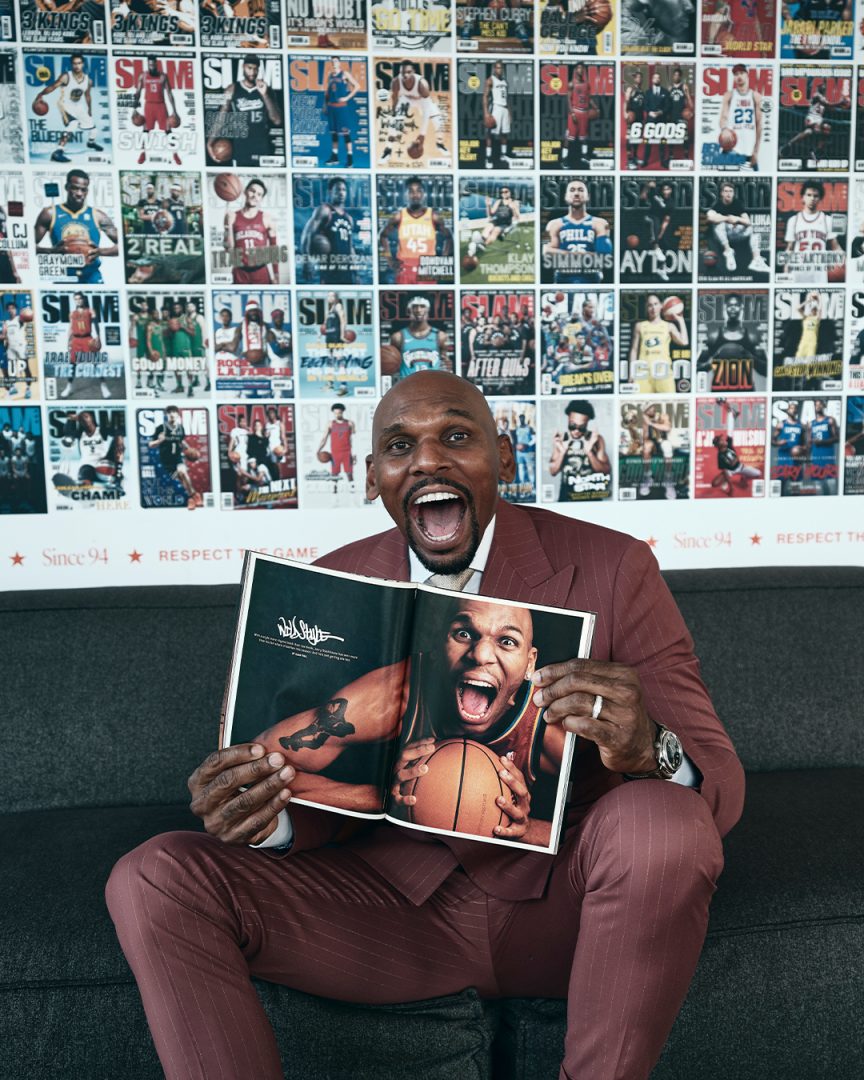
Now, in a world where basketball means the only thing to so many bodies, Jerry Stackhouse is the future of coaching. It’s only a matter of time before his number gets called and he takes over the hot seat. He’s been training his whole for this shot. He’s seen it all, every single picture. The kid that watched random college games became the leader of a great college squad and that young man became an NBA All-Star and that All-Star grew into a leader on the floor and that trusted voice is now ready to be the leader.
“It was just natural,” Stack says about his transition from star player to coach. “For me, to be toward the end of my career when I became more of a mentor, I know how to talk to those guys to make sure that they continue to work because you’re gonna get an opportunity. It’s not like Little League where you get 15 games. You got 82 games. You’re gonna get an opportunity. Keep working, keep putting in the time, keep doing the things that’s necessary for when you get that opportunity. That’s what I did with Fred VanVleet, with Norman Powell, with Pascal [Siakam]. They were not playing [every night]. ‘Come on, we’re going upstairs anyway. Let’s go get some 3-on-3s, some 4-on-4.’ So when your number is called, you’re ready to play. So I think that’s what I bring the Xs and Os. There’s a lot of people that know the Xs and Os, but can you teach it and can you put yourselves in these guys’ position and make them understand that you care about them, you care about their family, you care about their success? And once you do that, they’ll do a lot for you.
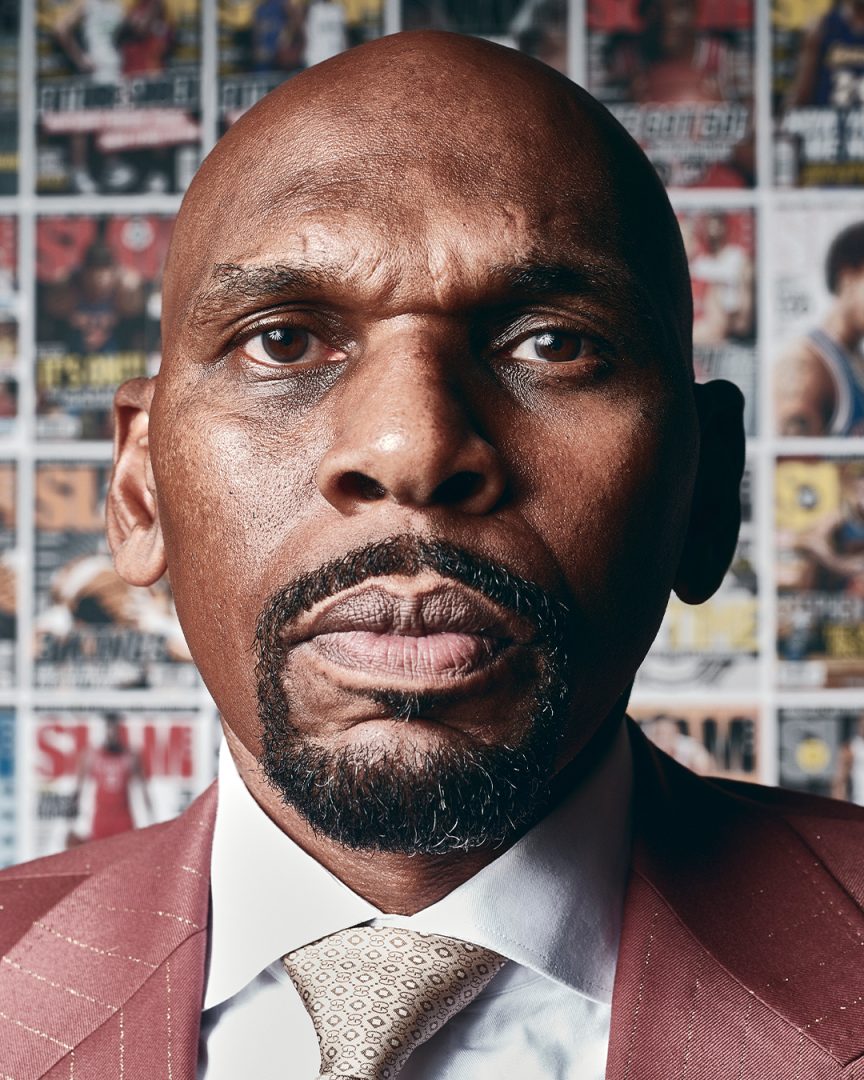
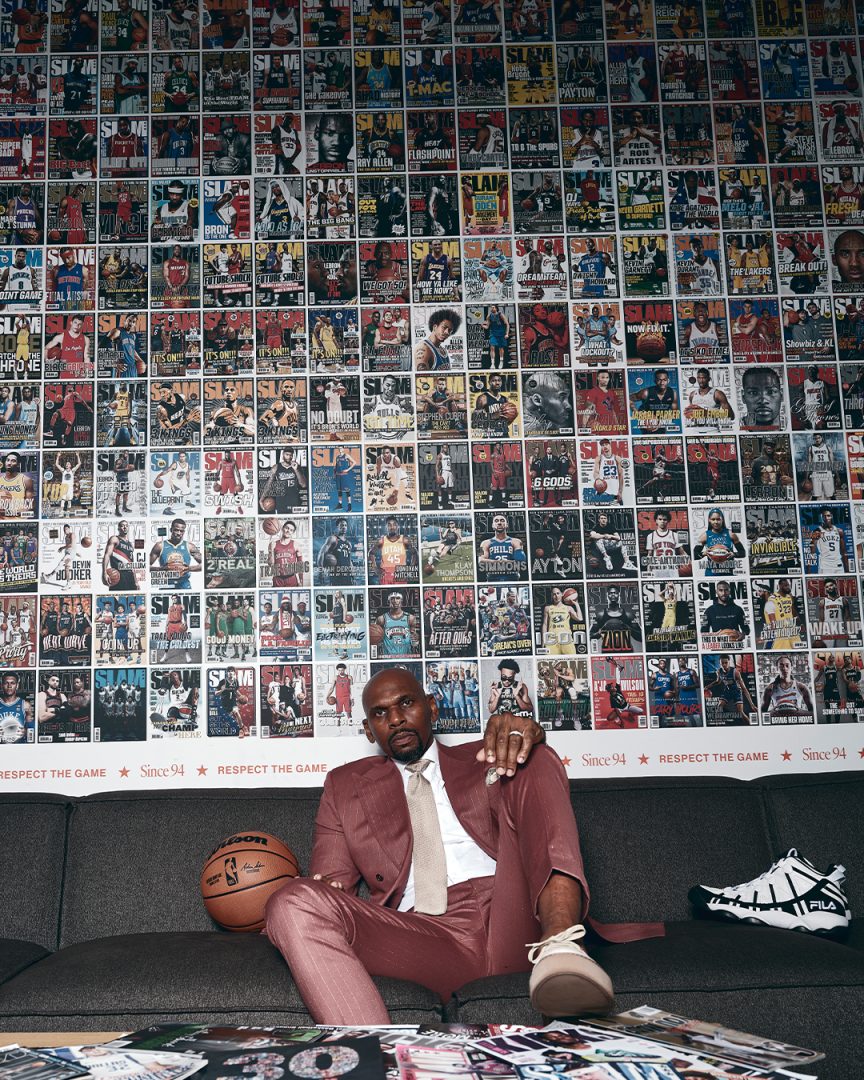
“That’s the closest thing that I can get to getting back out there and competing, and I’m able to do that, too,” Stack continues. “Not only can I teach them. The Lord has blessed me with a great body and physique that I can still get out there and show them, still in this age. I’m not gonna play a half of it or anything, but for a drill I can show you exactly how it needs to be done and how we need to do it to be successful. So I think that’s my advantage. That’s my innovation. That’s what I bring to the table that maybe not everybody else that can sit in one of those 30 seats can bring.”
Original photography by Jon Lopez. Other photos courtesy of Getty Images.