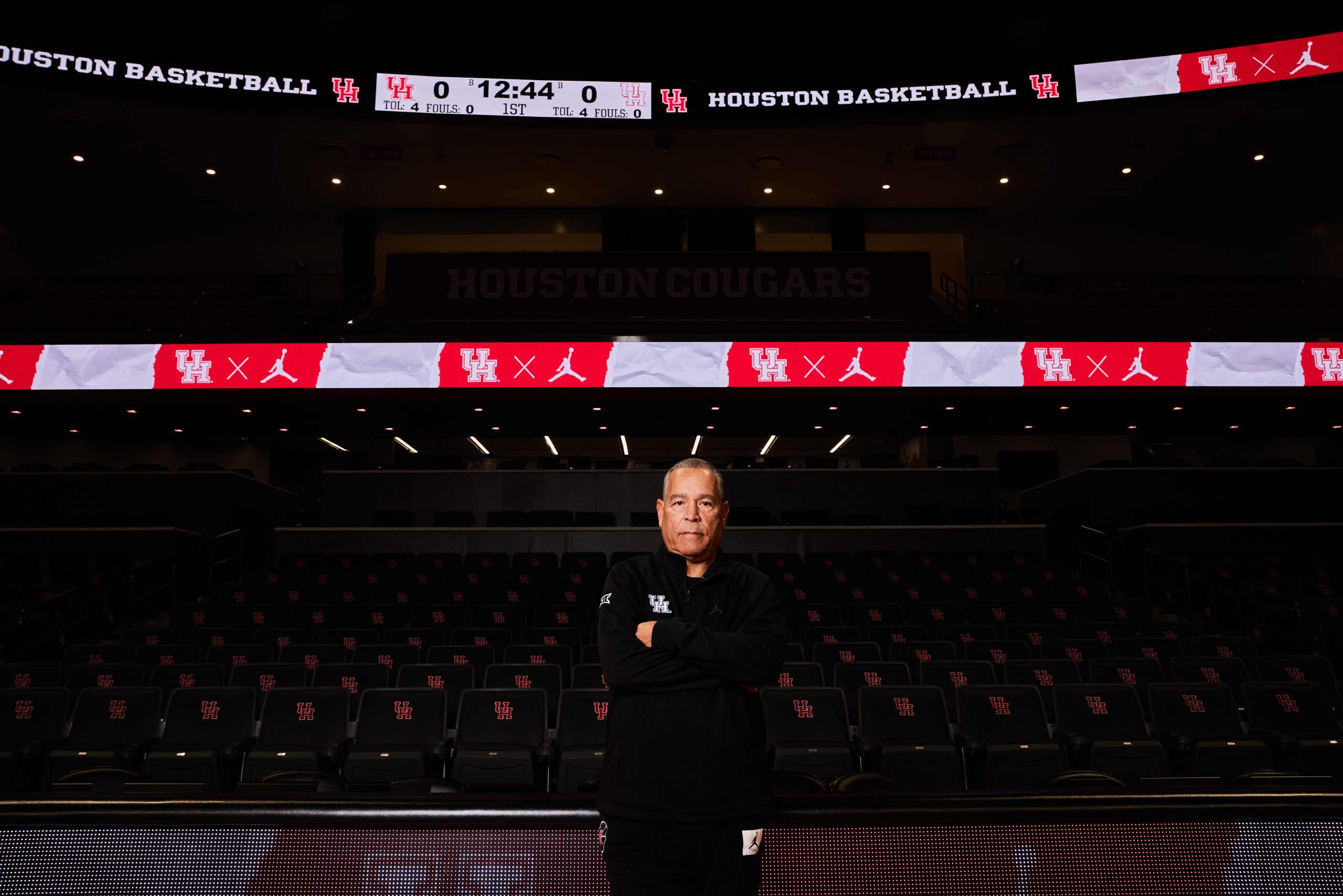
Houston Head Coach Kelvin Sampson Details His Coaching Philosophy for the Cougars
“We work in silence.”
Let it hang. Think about it. Allow the air around you to fill up with reflection.
Be quiet. It won’t be long before the inspiration gets real loud.
Houston Cougars’ men’s basketball coach Kelvin Sampson delivered those four simple words to SLAM just after his team defeated the University of New Orleans. Yet another win for Coach Samp, as his players call him. Coach Samp has gotten a lot of wins with the Cougars. It’s been nothing more than a whisper in national news headlines, but the Cougars have the most wins in NCAA DI men’s basketball since the beginning of the 2020s. That makes him the coach of the decade. And he won’t even say anything about that.
Silence.
Then performance.
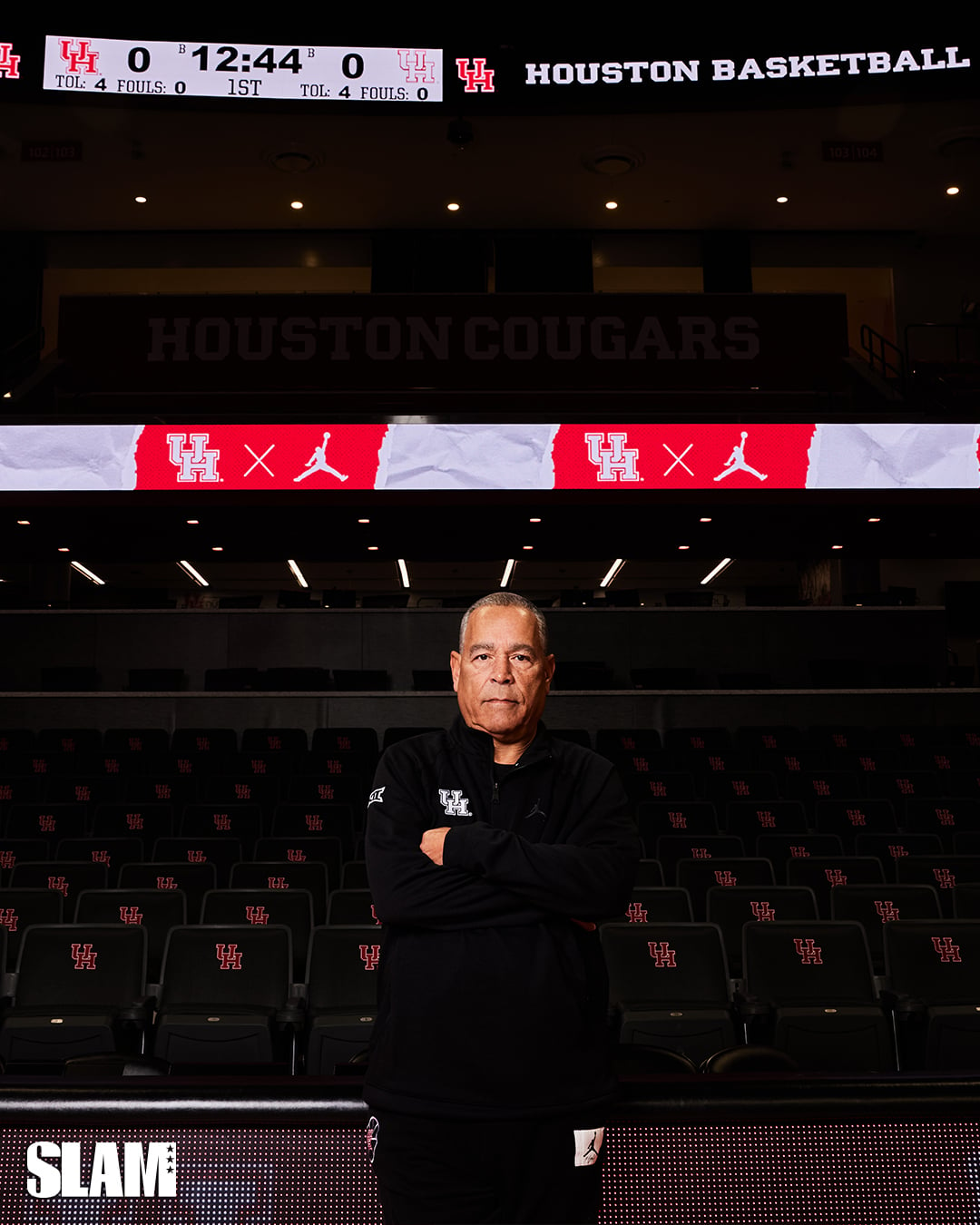
The Cougars start their workouts the first Monday in June every year. The season officially begins at Darryl & Lori Schroeder Park, the University of Houston’s baseball turf. Coach Samp’s players must complete 18 100-yard sprints across the outfield. There’s nobody else in the stadium during that workout. Just teammates chasing a goal together.
Silence.
Then more performance.
From the blistering heat of early summer to the chillier days of mid-autumn, Coach says his team is a silent secret. Together, they struggle in strength and conditioning tasks, they miss jumpers, they don’t complete defensive rotations. Still, the summer’s silence persists. As does the work. Soon enough, each day’s sunlight dwindles and anticipation intensifies and it gets more and more difficult to ignore, but Coach Samp and the Cougars stay silent. Their strength and conditioning programs stack up, their jumpers fall gently and they fly around the floor on defense, never letting anyone get open. On Coach Samp’s teams, actions will always speak louder than words.
The silence of the group is the silence of the leader. Kelvin Sampson is a measured man. His responses and reactions are always well considered internally before they are expressed to the world. He doesn’t say too much, other than to accept blame when games go poorly or dole out praise to others when games go well. His trademark honesty is in pursuit of building trust.
“As your team gets more and more success, you get more and more attention,” Coach says. “I think that the silence can also serve as a key pillar for what you want your team to be known for, and that’s humility.
“We work in silence from June until November, and then the first game we have when the public sees us, it’s no longer our secret,” he continues. “Everybody can see it now. There’s judgment being passed. There’s scrutiny occurring. There are people that have an investment outside you [who] are concerned about whether you’re getting enough shots, you’re getting enough minutes, and that was all in silence for all we knew from June until November. So, the silent months coupled with humility and being able to control the controllables—especially for successful teams—our journey was wrought with opportunities to make it about you because of your attention. Or make it about you because of the people in your hemisphere, they’re making it about you. We’re in a constant struggle to make sure we remain the team that started in silence.”
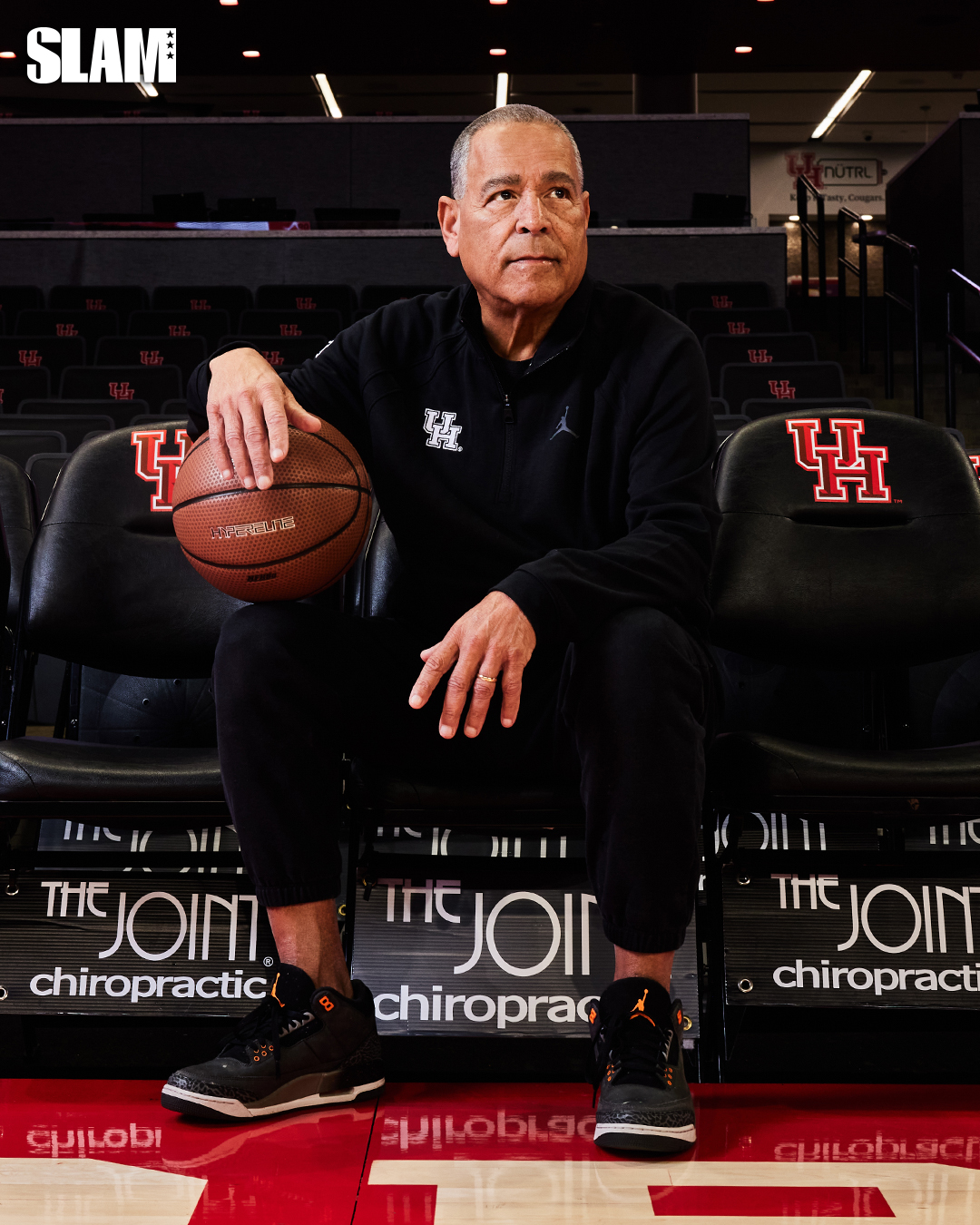
Coach Samp’s pillars of coaching have long been established. His professional coaching career dates back to 1979, when he was a graduate assistant for the legendary Jud Heathcote at Michigan State. But that’s not the actual dawn of his desire to coach.
His father, John W. Sampson, gets the credit for Kelvin’s coaching passion. His father was known as Mr. Ned to his community in North Carolina. And Coach Samp declaratively tells SLAM that Mr. Ned was his hero.
Mr. Ned had lots of success on the court. He was a standout hooper, going for over 24 points a game as a senior at UNC Pembroke. He was also inducted into the North Carolina High School Athletic Association Hall of Fame in 2004 because of his achievements as a coach and player. And his No. 12 jersey will be sent to the rafters at UNC Pembroke later this spring.
Coach Samp doesn’t mention the on-court accomplishments when he talks about how his dad influenced him. Instead, he talks of the beauty in Mr. Ned’s everyday acts of kindness and leadership.
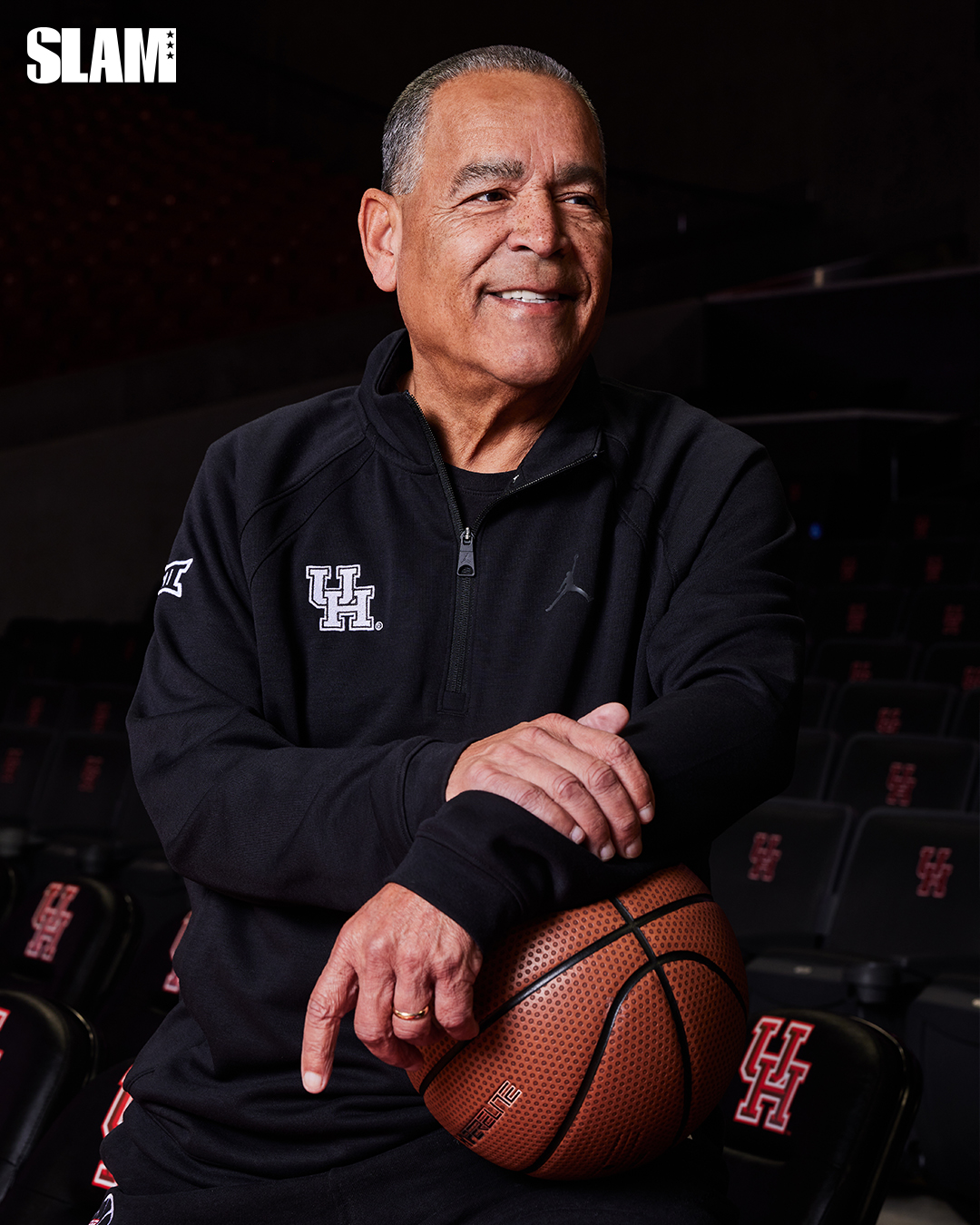
“It was a great reward for his humility and putting other people before himself, and I got to sit and watch how he did it,” Coach says of his father’s induction into the Hall of Fame in 2004.
“He was very old school,” he continues. “He came up during segregation. He was the hero of his players, too. He coached at a country school. Very, very rural, and most of the kids that played basketball would live four or five miles from [school]. It’s not one of those old stories, like, He had to walk to school 10 miles. They rode a school bus to school, but most of the families lived on farms, so when basketball practice was over, they didn’t have a ride home.
“Now, most of them, if it wasn’t cold, would walk home. But my dad made sure everybody had a ride. He had a station wagon, and then he had a 1963 Falcon that was three on the tree, but he didn’t have seatbelts or bucket seats. Just a board seat, so he could cram seven or eight guys in this car. But he would take each one of them home. And he did that just about every day in the winter. Just his commitment to others, the impact that he had on them and their lives—I saw that when they graduated high school. They all love to tell stories about Mr. Ned. And that really impacted me. So I wanted to be a coach because I wanted to be like him.”
Let it hang. Think about it. Allow the air around you to fill up with reflection.
Be quiet. It won’t be long before Mr. Ned’s inspiration gets real loud for Coach Samp.
Gifted with the vision of the impact of coaching on kids by Mr. Ned, Coach Samp’s time on the sidelines tipped off at MSU as he was earning his Master’s in coaching and administration. After his time with Coach Heathcote, Sampson went on to Montana Tech, Washington State, Oklahoma and Indiana. Then the NBA came calling. He spent time with Gregg Popovich and the Spurs, Scott Skiles and the Bucks and Kevin McHale and the Rockets.
Those six years spent in the NBA represented an invigorating research period. Sampson continues to pull out plays from those years, and he’s still calling on his experience as a Rockets’ assistant coach. Coach Samp was given a high-level education in pro scouting, communication, new plays and concepts for how a team can operate. He’s still holding on to every single scouting
report he wrote for all six seasons he was in the NBA.
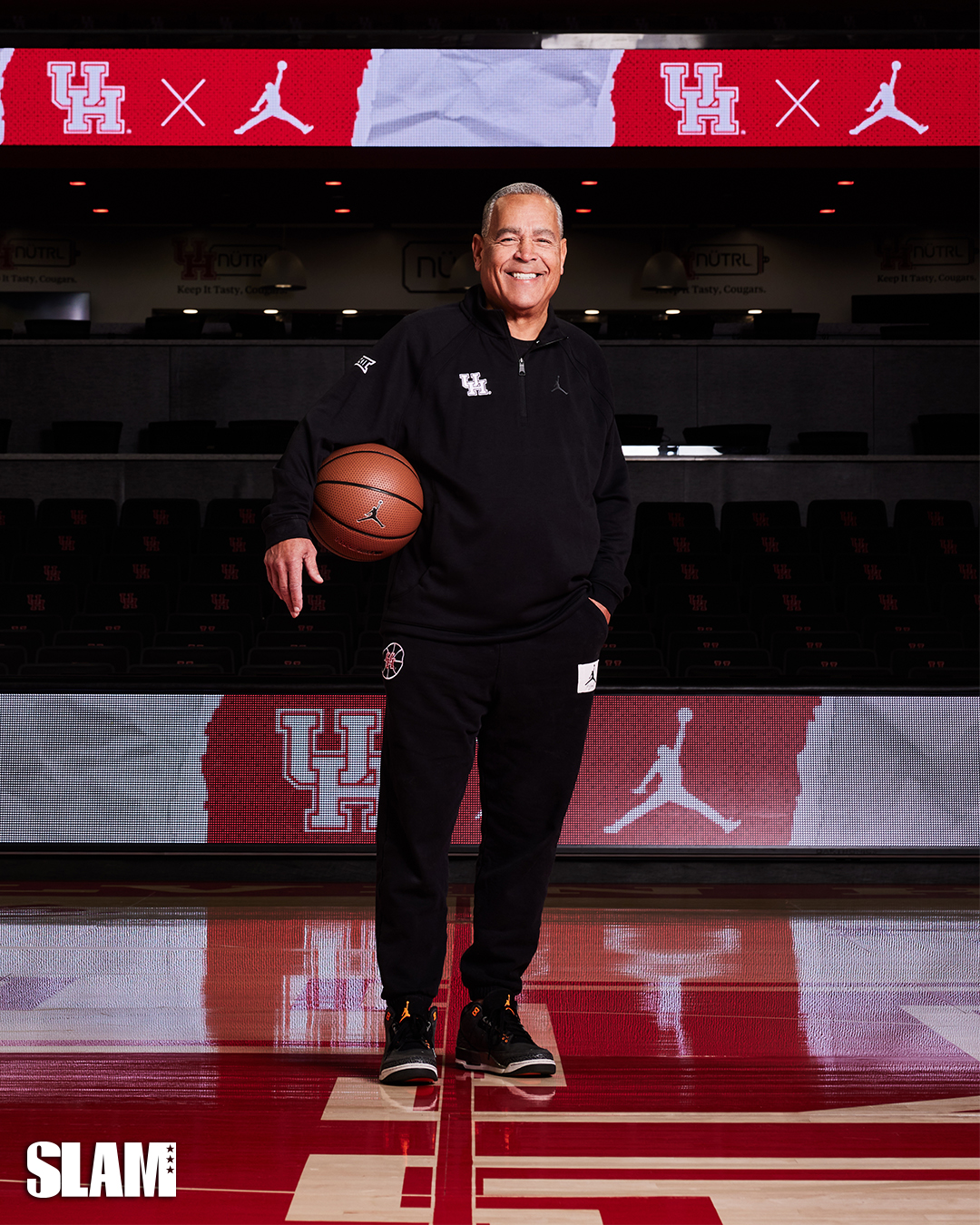
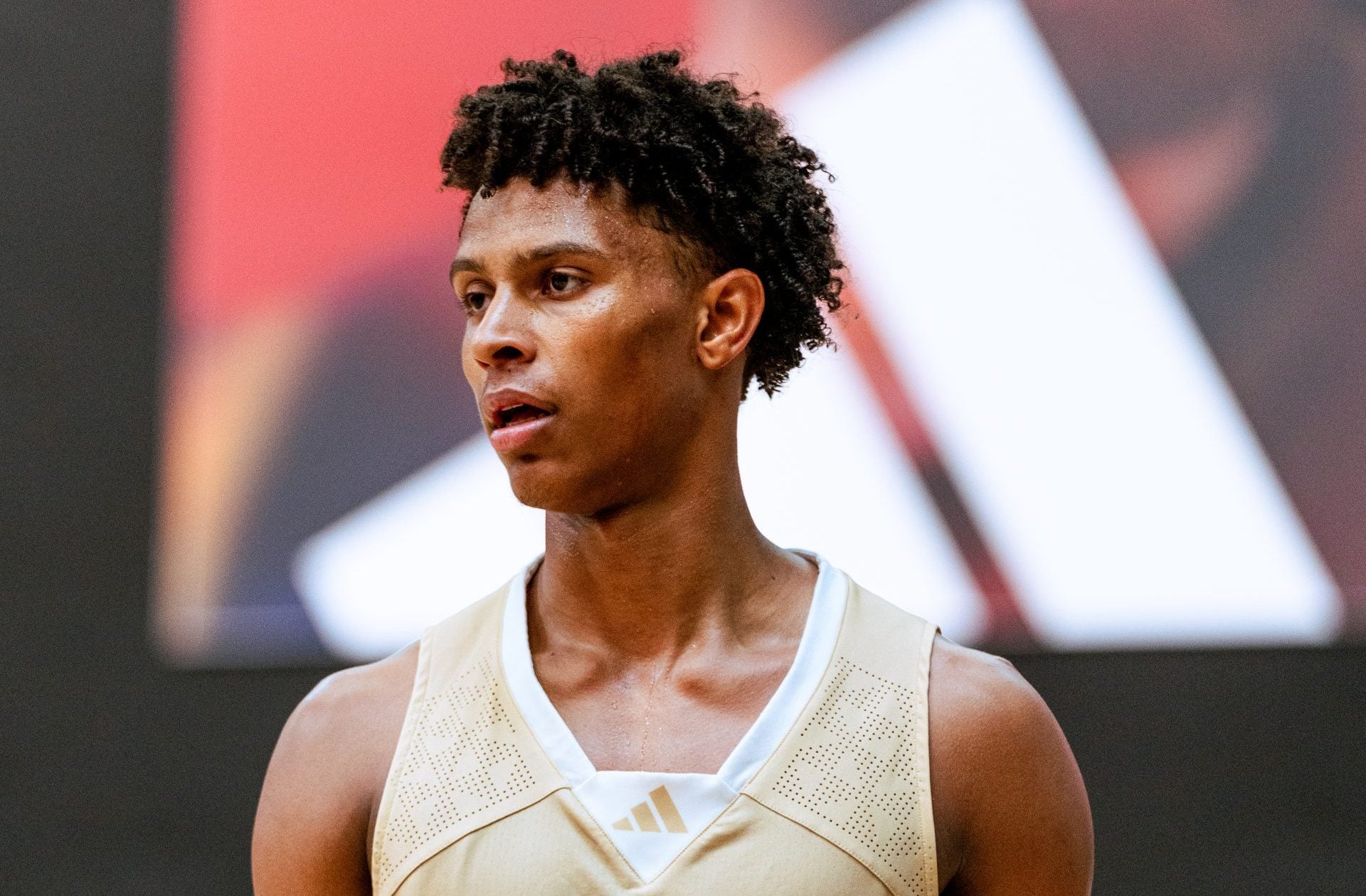
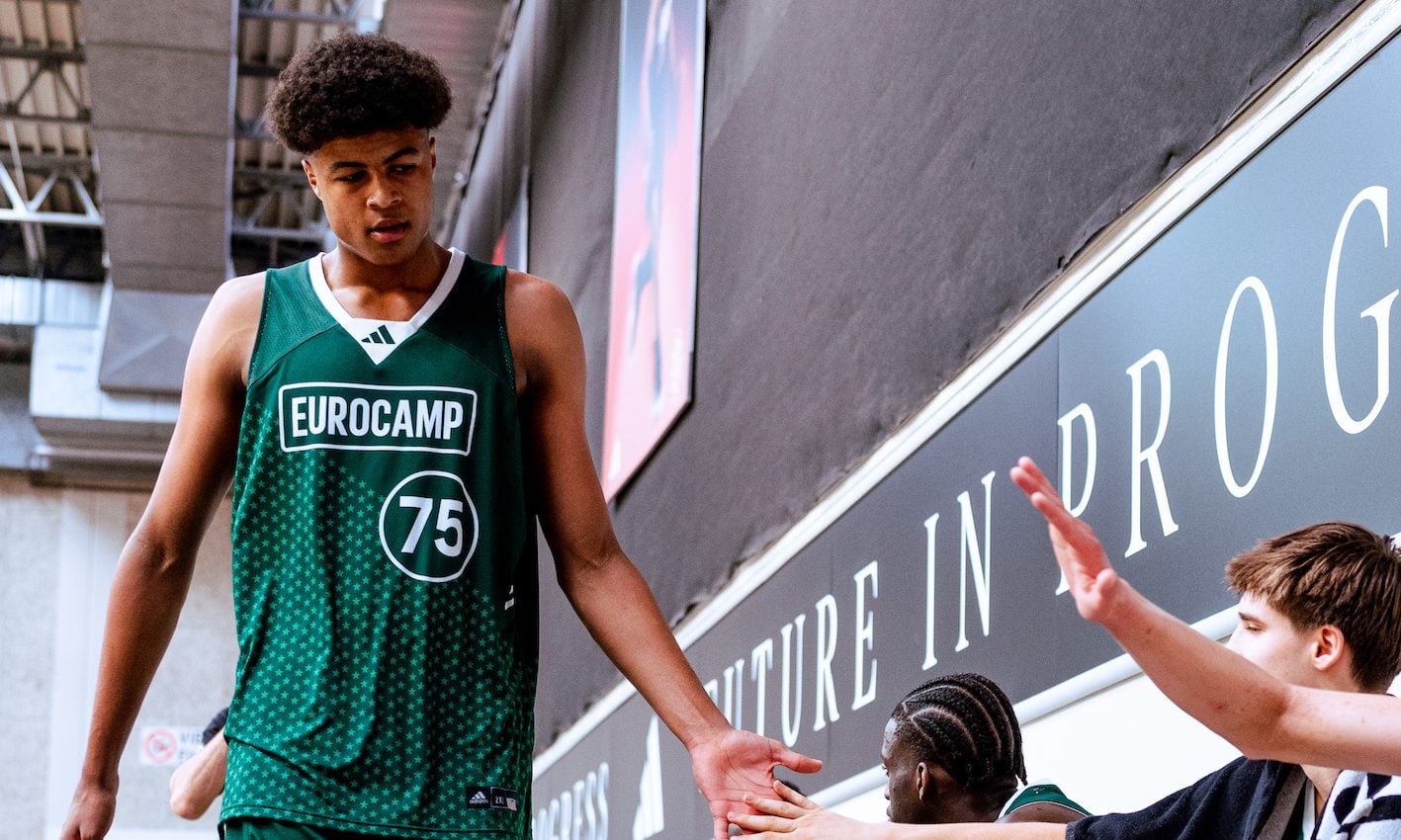
This vault of knowledge that he can open within the silence of his office is just one of the ways he sharpens his craft. As basketball itself progresses into these different play styles and philosophies, Coach Samp is advancing his mind, too. He’s always studying, searching for ways to adapt to the future. He’s been learning ever since Mr. Ned taught him by action, and that pursuit continues today as he leads the Cougars through a daunting national schedule that just might result in a national championship. Led by upperclassmen Emanuel Sharp, Milos Uzan and Joseph Tugler and energized by Isiah Harwell, Kingston Flemings and Chris Cenac Jr, this year’s Houston team has a special quality to it.
“We have an outstanding group of young men,” Coach says about the 2025-26 team. This year’s team has spent the entire season in the AP Top 10. As of press time, its record is 16-1 and it already has three wins of 40 or more points.
“I’m always learning from other people,” Coach says. “I think that’s what allows you to have growth, and I’m humble enough to know that I don’t have all the answers. I can learn from anybody.
“I’ll go watch an AAU game in the summer, and the AAU coach will run a great baseline out-of-bounds play. I’ll watch it and I’ll go, God, I hope they run that again because I’m going to steal it.”
Even when he’s not making noise, Coach Samp is working. It’s proven by the almost five-decade-long résumé and the hundreds of wins to his name. In this era of larger-than-life personalities and sensationalized drama, he might be easy to overlook. But you already know what they say about how real Gs move: in silence.
Portraits by Michael Starghill.