The Nike G.T. Future is the Brand’s Gift to the Next Generation of Hoopers
The status quo of basketball is being challenged. Straight up. From the grassroots level to the pros, the game has got one unicorn after another lined up for the spotlight. The next generation is pushing the pace with unconventional rhythm. And Nike’s been studying it.
Tracking it.
Vibing with it.
For over two years, the Nike Basketball design team has been drawing on the distinctive voice of today’s young athletes in search of something different. Atypical. Eccentric. Unconforming to what was and what is. As a result, an entirely unique footwear design process has been developed in contrast to the brand’s traditional timeline. The boundaries weren’t just pushed. They were dismantled and rebuilt in a new image: the Nike G.T. Future.
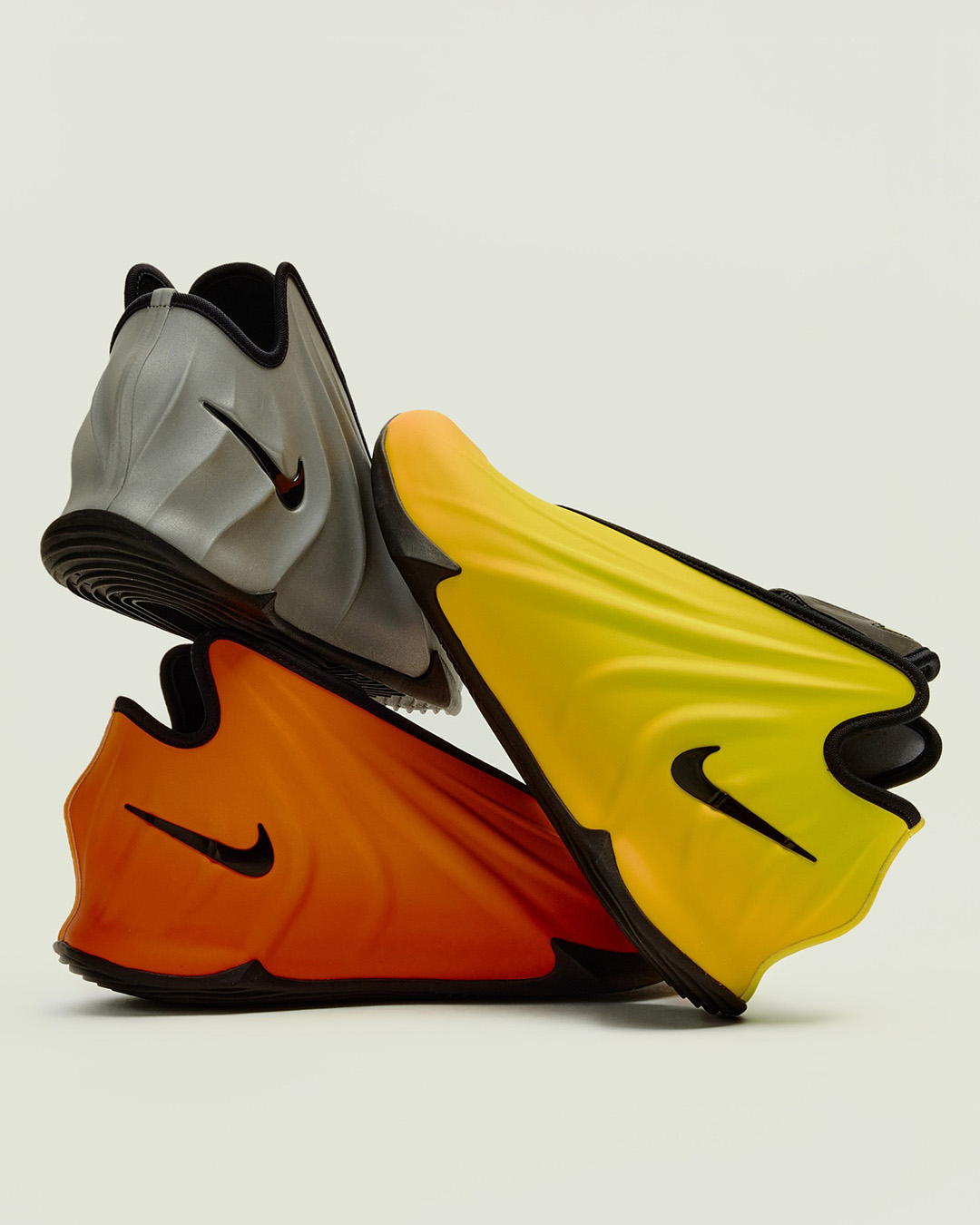
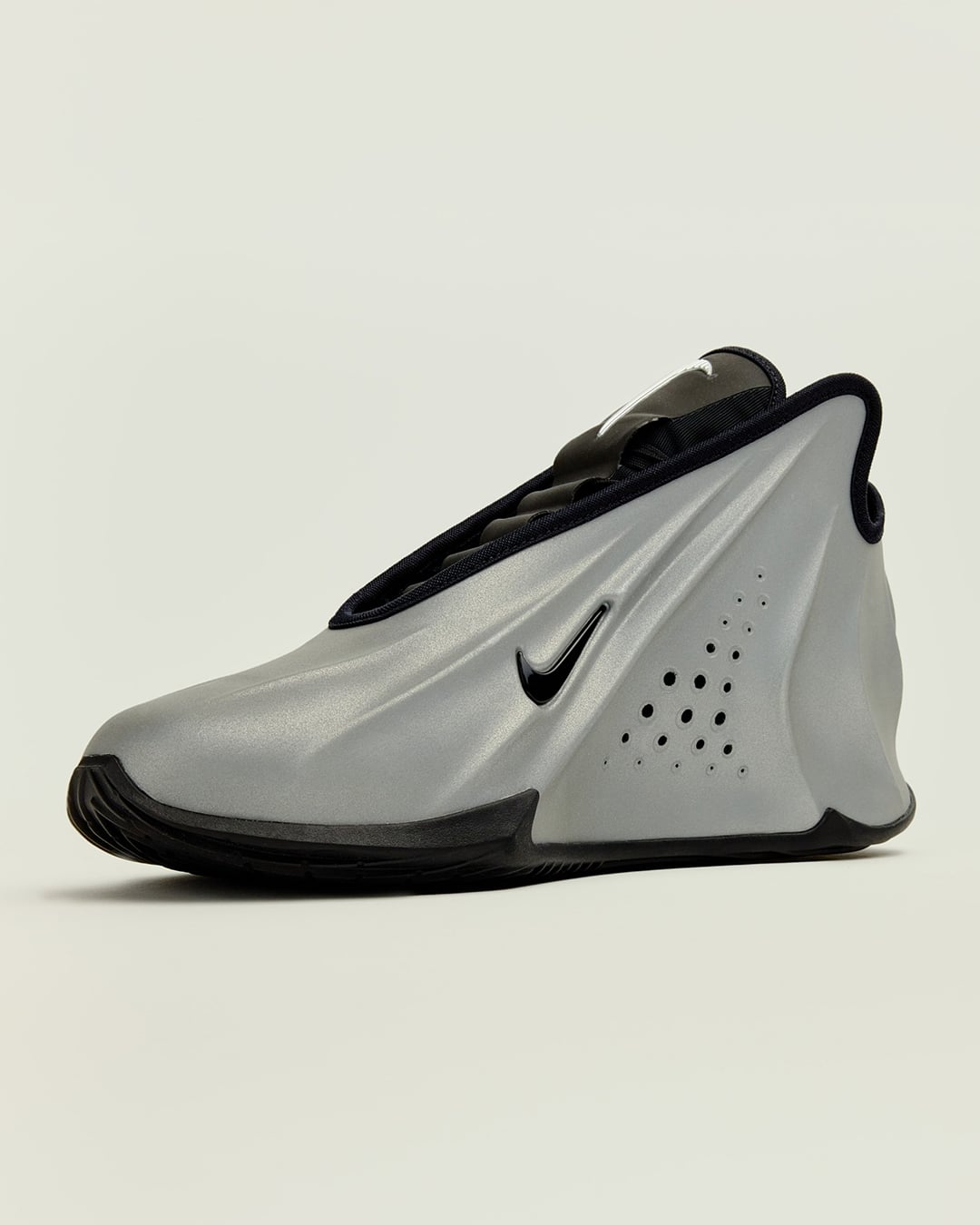
This holiday season, the Beaverton brand will be stocking the shelves with one of its most radical designs in decades. A heat-molded upper quite literally consumes 90 percent of the real estate. No midsole in sight. Like a single stone interrupting a still body of water, sculpted lines ripple across a material that boasts unlimited opportunity for textural finishes. Just like today’s game, it’s uncategorized. Some could claim it as a low-top. But then you’ve got to contend with the ankle collar that suddenly juts up to surround the ankle’s malleolus.
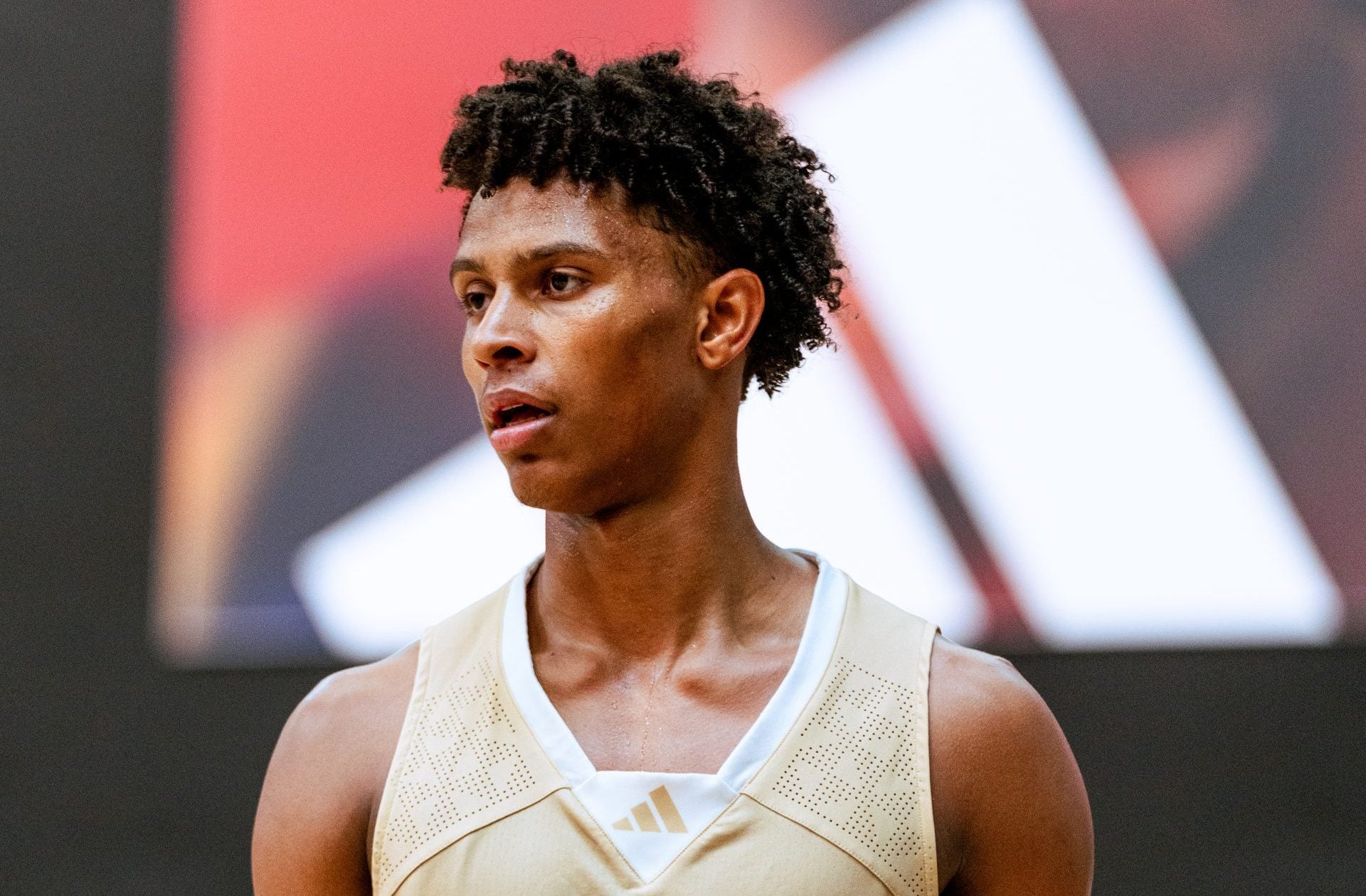
The sneaker first seen on the feet of now-BYU freshman AJ Dybantsa and DMV rapper Wale during the 2025 NBA All-Star Weekend is meant to be evocative. To feel exactly like the persona and expression that the next generation walks with. Dribbles with. Dresses with. Shoots with. Plays with.
“When things are daring, you find the biggest, I think, reactions to them,” says Ross Klein, Senior Director, Men’s Basketball Footwear Product Design. “It’s been a long time since somebody’s seen something that probably puts them back. And so what I can tell you is that a lot of people were like, What is that?”
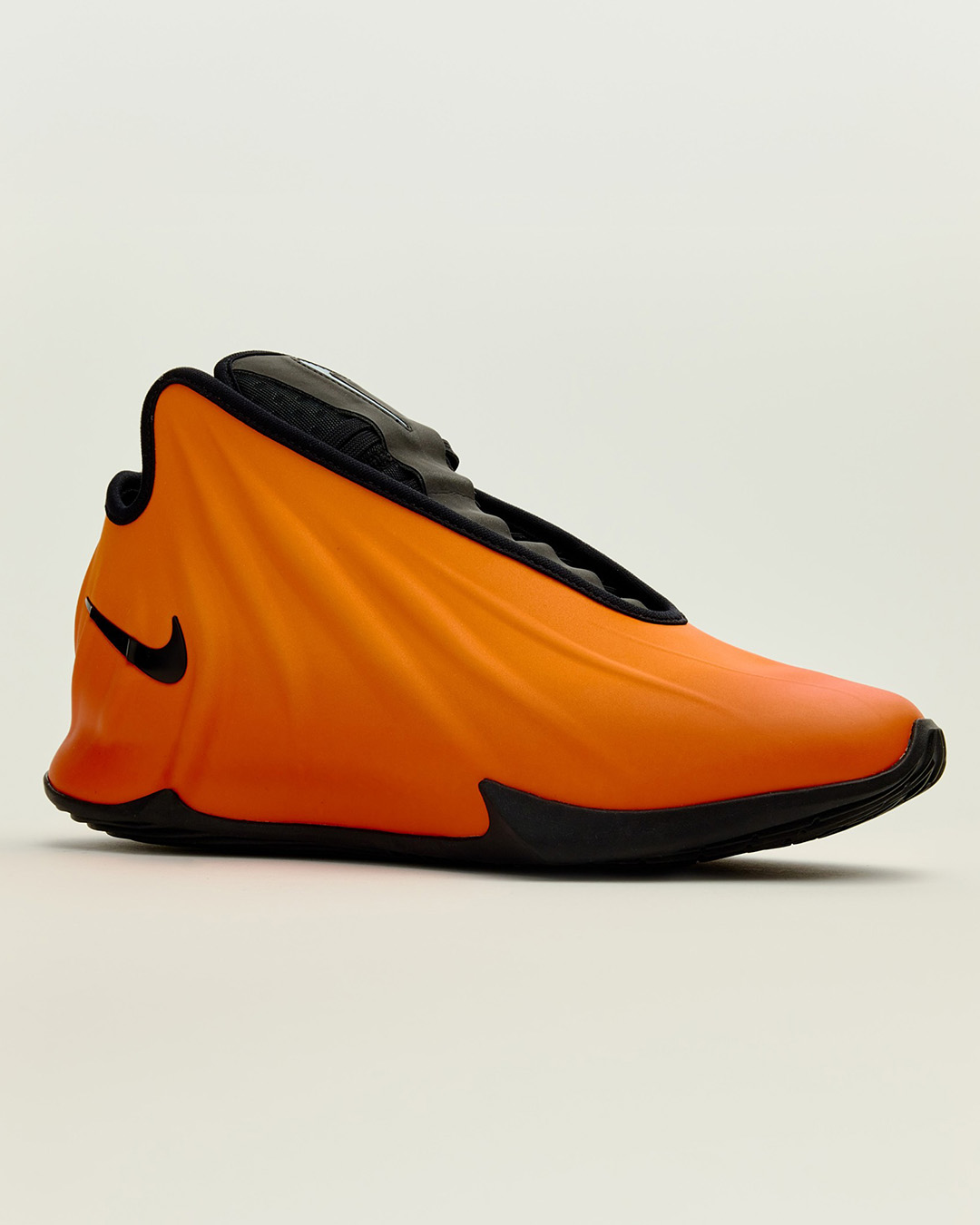
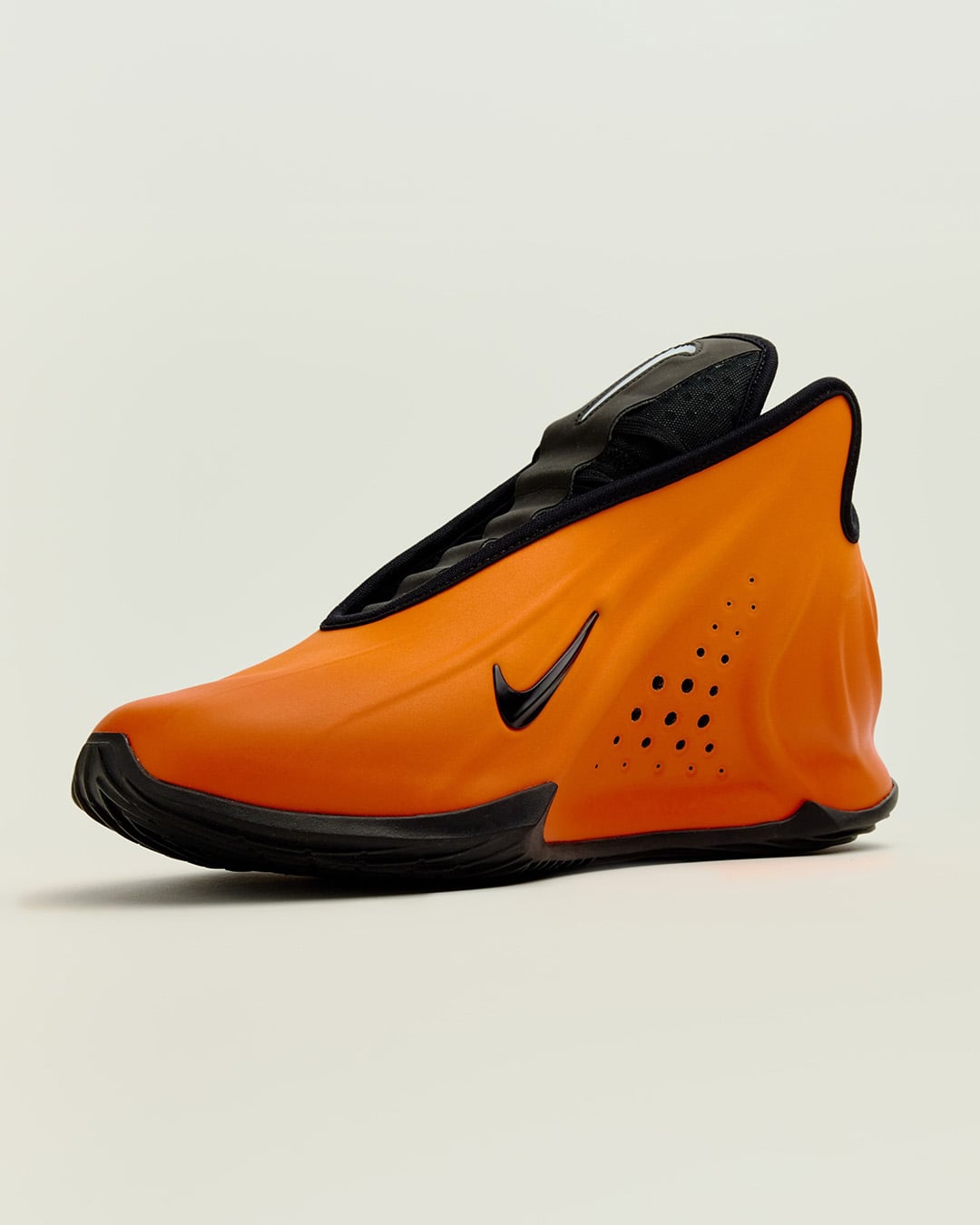
The G.T. Future’s journey began when Klein and the Nike Basketball design team gathered in the undisclosed DNA—Department of Nike Archives—that houses decades-old historical products. They weren’t searching for a specific model to pull inspiration from or base their design language off of. They just started talking, mainly about the bedrock that Nike Basketball was built on. From the range of Alpha Projects in the late ’90s and early 2000s to the Hyperdunk and Hyperfuse of the early 2010s, the brand’s pinnacle footwear has always been born out of flourishing curiosity and innovation. Each silhouette frequented an unfamiliar space in untraversed timelines. The same applied to the future of Nike’s on-court footwear.
“When we started, we knew that we were going to challenge what traditional basketball shoes are. And when you do that, you’re going to need more time,” Klein elaborates. “You’re trying to make sure that it also entertains all different types of athletes, whether you’re elite or you’re just starting. So when you do something that’s really different, you’ve got to make sure you test it.”
North America. China. Europe. The world. The transcendent addition to Nike’s Greater Than series was assessed all around the globe after months of testing different molding techniques and types of steel to create the heat-reactive foam material that engulfs the upper. The more that it’s played in, the softer the feel. The more time that’s put in, the more the exterior will begin to contour to the natural fit of the foot, a feeling that’s already enhanced by the inner bootie and padded heel lock system.
“The shrouded, kind of veiled positioning of this, it’s about tapping into the emotional quality of an athlete. So you don’t see everything. And that’s what we directly wanted to do. We wanted to make you feel something,” Klein says. “You’re going to feel shocked. You’re going to feel like, What does this do? It’s just going to charge up a lot of questions.”
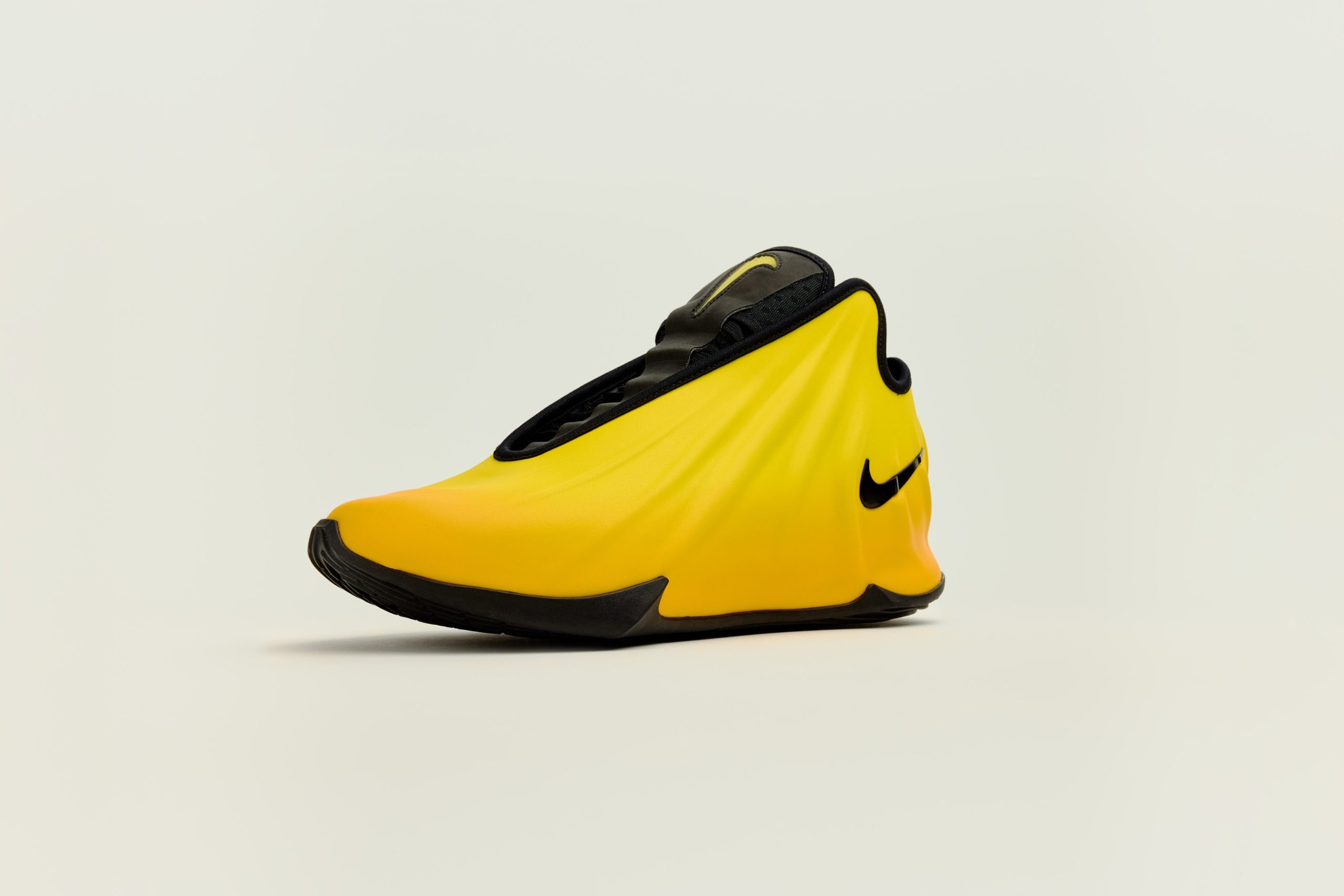
For example, why swallow the sneaker in one piece? Off rip, there are just more expressions to play with. Nearly a dozen colorways have already hit the feed, with finishes ranging from luminescent blues to glossy reds, metallic coppers and iridescent oranges. The main draw to covering so much ground, though, is the added containment and support that enveloping the midsole provides.
“Which then enables and allows you to go soft, responsive, all those things that athletes love within the system,” Klein says. “That’s why I call it a ‘Future System’ because there’s not one thing that works unto itself, and all of it is working together. It all needs each component to make this thing do what it does. That’s why it takes that type of time, it takes the commitment, it takes the testing, it takes all of that to be able to build something different.”
Behind the disguised sole unit? Tons and tons of technology. First, a full-length Zoom Strobel set-up to bring instant pop. Directly underneath, there’s a stacked forefoot Air Zoom unit that instigates a staged responsiveness across both cushioning elements with each step. Surrounding that is a bed of Cushlon 3.0 foam. All that works in tandem with the sculpted anchor points that stretch from the collar to the outsole. And a series of perforations follows the same slope along the medial midfoot to vent the engine’s layered components, while a mesh system at the tongue forces further heat out.
The Future System that resides within evokes a physical feeling on-foot. The time that the design team spent in the DNA space brought an emotional one. Reconnecting with memories just by glancing at familiar archival models created the central theme that the G.T. Future orbits. Sensation. Feeling.
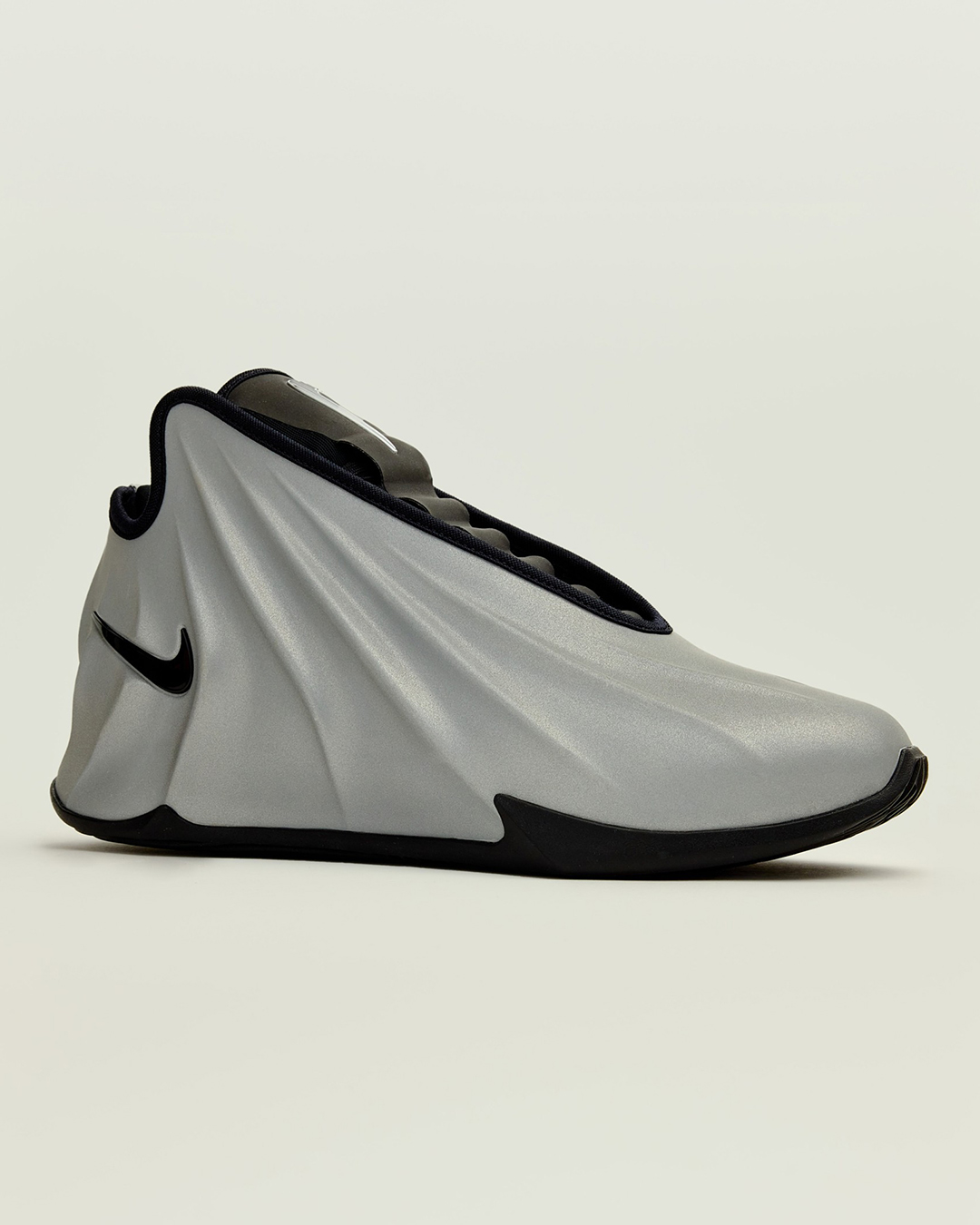
Feeling confident in how it looks with the threads and the fit check. Confident in how it plays. To feel in control yet fluid. To feel grounded yet bouncy. It’s part of the reason why the silhouette reintroduces a higher cut to the brand’s on-court offerings.
“You know, we hear from athletes and consumers that there is a feeling around the ankle that some people miss. Some people could contribute, like when you go up high, it means a big man shoe or something like that. But the truth is, they talk about it more in reference to, like, confidence. Something goes up a little higher, it fits and it feels and it touches different spaces—they feel more confident,” Klein says.
Shifting away from the standard produced something abstract. The Future’s nature is to elicit a response, a reaction, a question, a statement, a feeling. Plenty of those arose when the kicks were sent around the globe for testing.
“What we would find is the alpha, the elite, that one of one, that person that’s willing to take the shot, probably the one that leads the team, is like, Yeah, I’ll take it. Put that on. Because they’ve got something to say,” Klein says. “Not every athlete has that kind of perspective.”
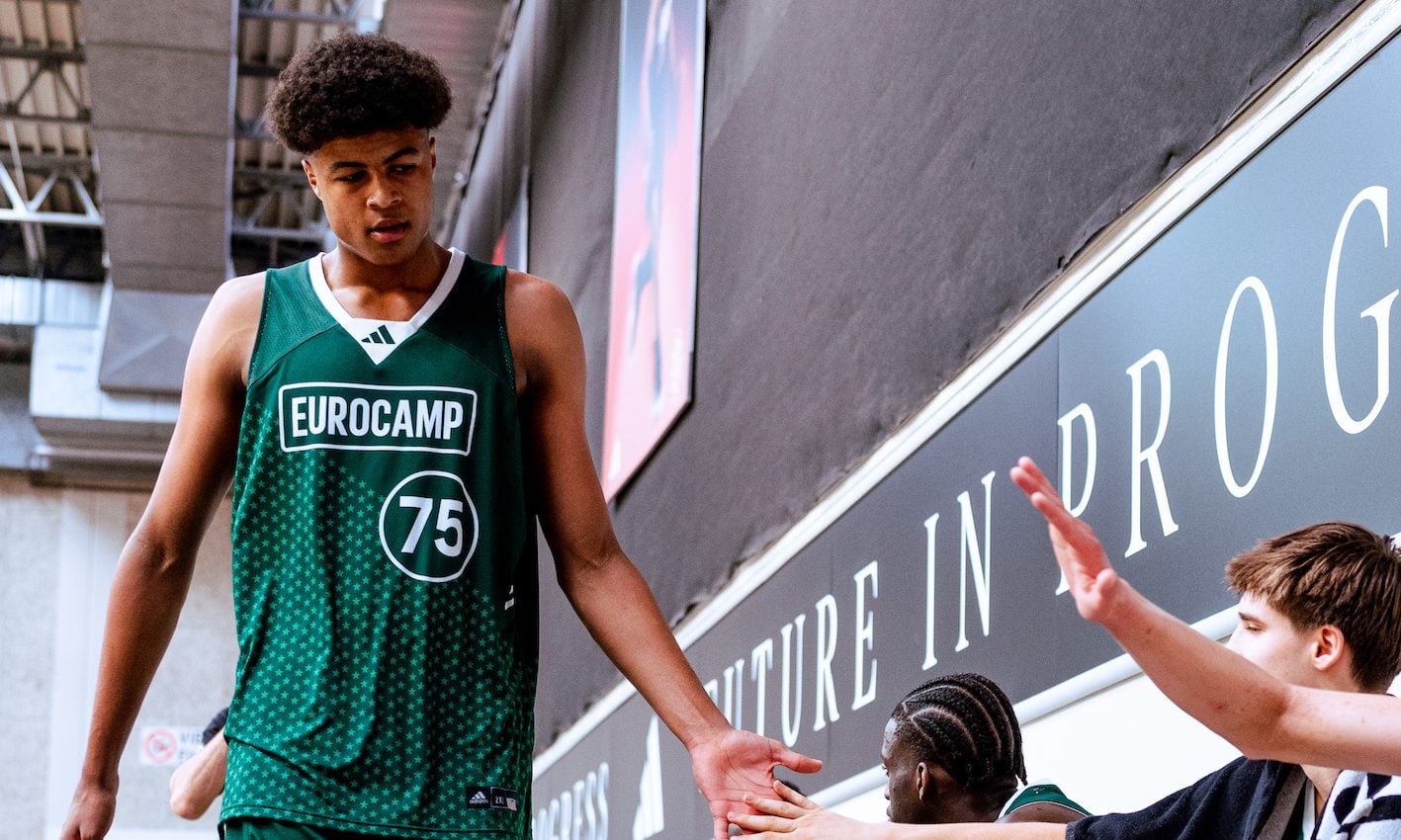
Folarin did. So did Dybantsa. Their feet became walking billboards for months between music videos and high school All-American games. It’s not just the one of ones who gravitate toward the Future, it’s those who feel one to one with it. Part of it. Empowered by it.
And inspired to reimagine the status quo.
Photos via Nike.